You catch the smell through the steam vent and suddenly you are starving. It’s that kinda thing where your mouth waters and you gotta remind yourself not to eat right outta the pot, ya know? The valve hiss of your pressure cooker kinda teases you with the promise of something dang good inside. You glimpse the float valve lifting and that’s when you just know it’s almost done.
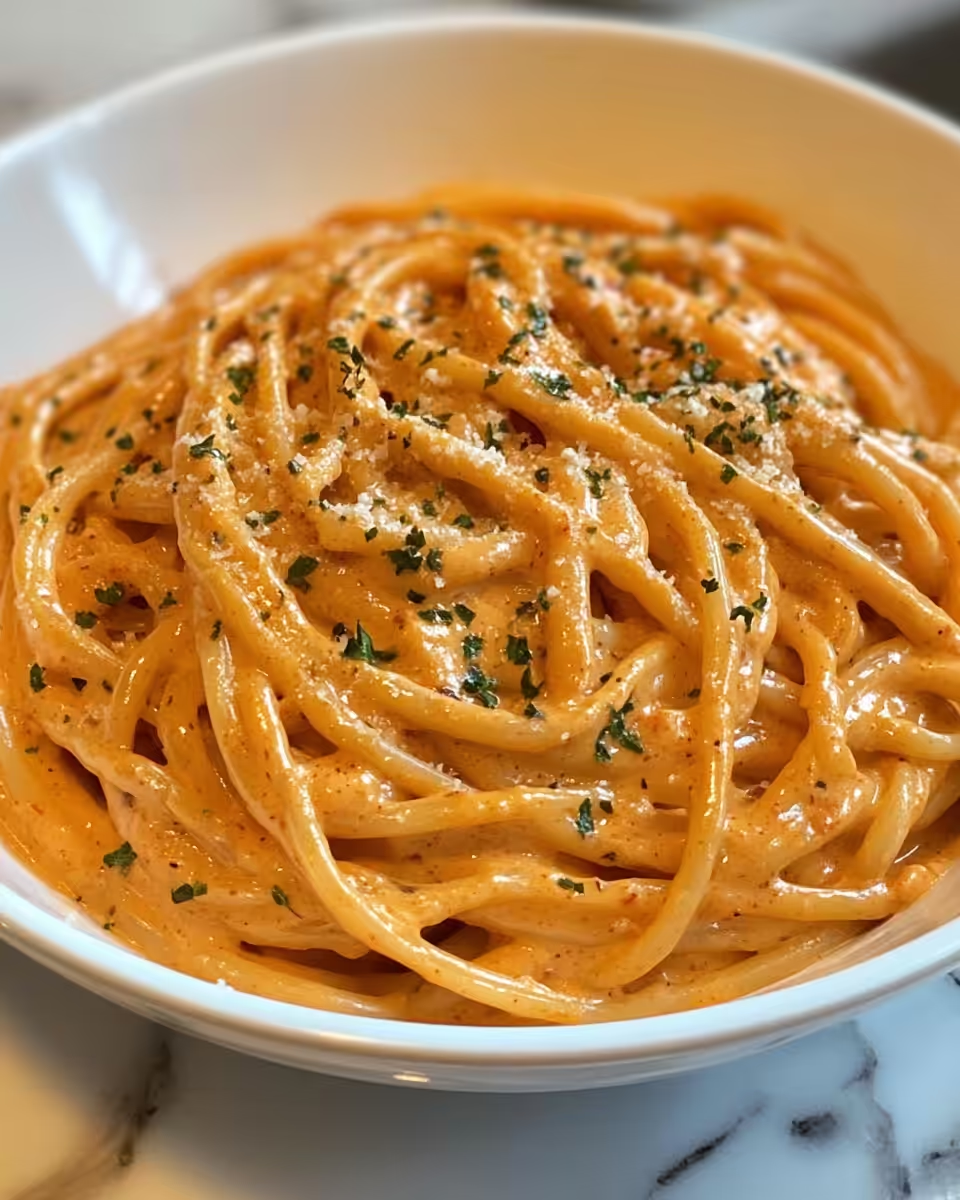
That rich aroma of tomatoes and cream swirling together makes you feel all warm and fuzzy inside. You recall the garlic and onions getting all softened and fragrant, and it makes you smile. You sense the sauce thickening just right, pulling everything together like it’s been cooking forever.
You notice the butter melting in the background and the parmesan slowly joining in, creating that silky smooth sauce hugging every strand of spaghetti. The sealing ring holds everything in tight, making it all happen fast and full of flavor. It’s like the pressure cooker is doing all the hard work, but you’re the one about to get the big win.
The Real Reasons You Will Love This Method
- The pressure cooker locks in flavor quick, so your tomato and cream sauce gets intense without long waitin’.
- Using the sealing ring and the float valve, you get consistent cooking every time with no guesswork.
- The valve hiss lets you know it’s workin’ hard, yet the slow release means no rushed finish that messes up texture.
- This method keeps the pasta perfectly tender but not mushy thanks to that natural release step.
- You don’t need a ton of pots and pans, cause everything kinda cooks in one, making cleanup a breeze.
- It’s dang fast so you get dinner on the table in about 20 minutes, perfect for those busy nights.
The Complete Shopping Rundown
Alright y'all, when it comes to ingredients for this creamy tomato pasta, you wanna grab a good mix that’ll bring richness and depth. Start with classic spaghetti, 300 grams will do ya fine.
Butter is your base and it’s gotta be unsalted to balance the flavors right, about 2 tablespoons. Fresh garlic cloves, three of ’em minced up real good, plus half an onion finely chopped for that savory start.
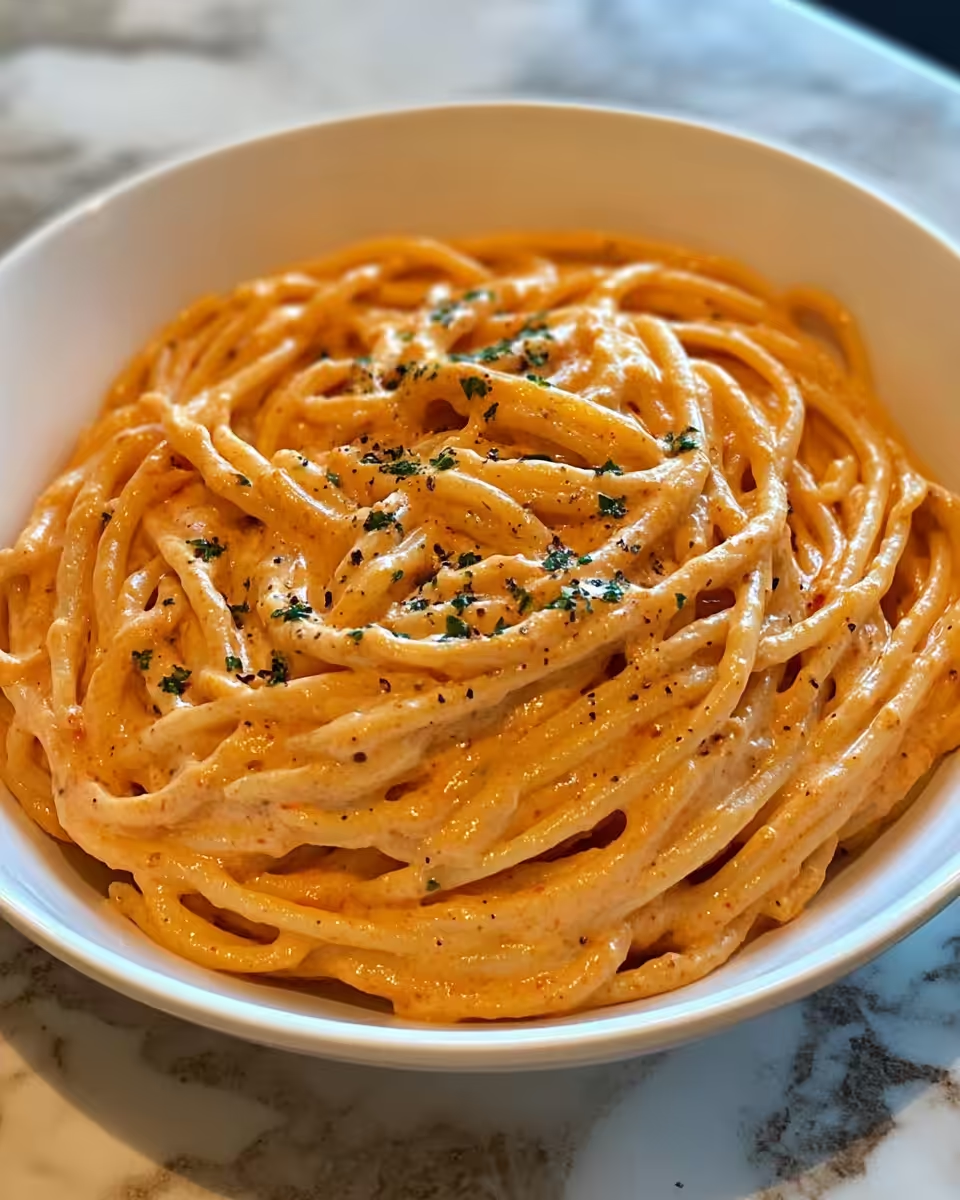
Next up, the sauce stars are tomato passata, that’s smooth tomato puree, 1 cup should handle it. You want heavy cream or thickened cream too, roughly ¾ cup, but you can swap if you gotta.
Milk comes next, low fat, half a cup for extra creaminess but lightness. Parmesan cheese, freshly grated, about ¾ cup, not the pre-shredded stuff cause it melts way better in this kind of sauce.
You also need dried basil, 1 teaspoon, or any herb you love. Then one teaspoon of chicken or vegetable stock powder or a crumbled bouillon cube to add that little umami punch. Don’t forget finely ground pepper and salt to taste.
How It All Comes Together Step by Step
First up, you gotta cook the spaghetti in a big pot of salty boiling water. Follow the package for timing and cook it just al dente, not mushy. Save half a cup of that pasta water before you drain it.
While that’s going, melt your butter in a large skillet over medium heat. Toss in the minced garlic and chopped onion. Let ’em soften up for around 3 to 4 minutes until they’re fragrant and kinda translucent.
Now pour in your tomato passata. Stir in the stock powder and dried basil too. Let that simmer for 5 minutes so all the flavors blend real nice.
Next, add your heavy cream and milk. Stir it well until it’s combined into the tomato base. Simmer for another 3 to 4 minutes until the sauce thickens slightly.
Time to bring in the parmesan cheese. Stir it in until it melts and the sauce is smooth and creamy. If it gets too thick, loosen it up with some of that reserved pasta water.
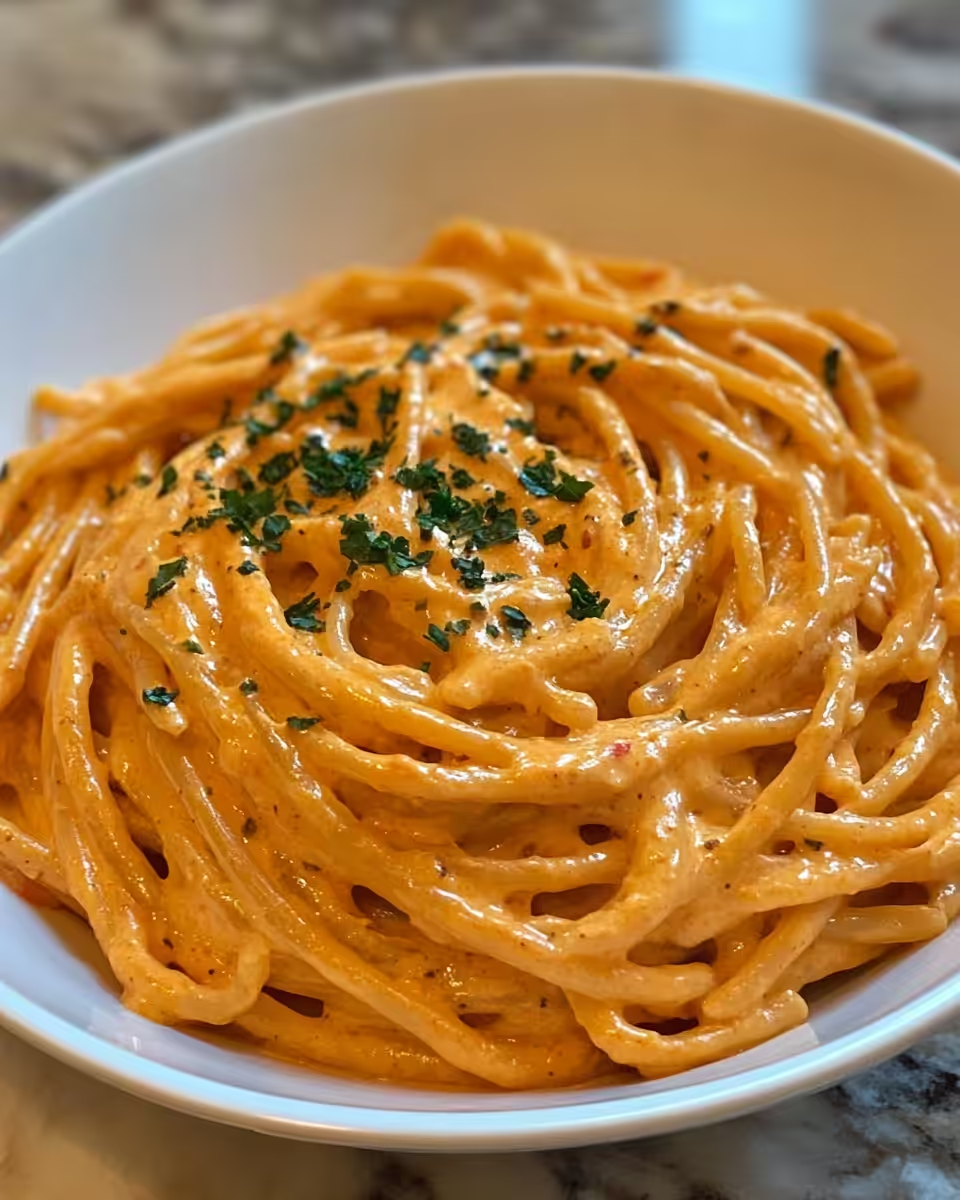
Drain the spaghetti you cooked earlier. Add it straight into the sauce and toss it around so every strand is coated beautifully.
Serve it up hot, maybe sprinkle extra parmesan and some fresh herbs on top if you got ’em. It’s perfect for diving in immediately.
This whole thing fits nice and cozy inside your pressure cooker setup just right, and you’ll hear that satisfying valve hiss when it's doing its thing. When it’s done, slow release the pressure for best pasta texture.
Quick Tricks That Save Your Time
- Use pre-minced garlic if you’re in the rushin’ mood, it works real good and saves chopping time.
- Get pre-grated parmesan packed in a shaker for easy measuring and quick sprinkle bonuses.
- Swap fresh onion for dried onion flakes if you’re low on time, just sprinkle it over and let it rehydrate in the sauce.
- Make extra sauce in advance and freeze it in portions for future quick dinners that just need cooked pasta added.
That First Bite Moment
When you take that first bite of Creamy Tomato PastaNagi, you sense the warmth and comfort hitting you right away. The sauce, creamy and smooth, wraps around the spaghetti strands with a rich tomato tang that’s just spot on.
You notice the subtle hints of garlic and basil joining the party, making the flavor layers kinda dance in your mouth. There’s just enough pepper kick to keep it interesting but not overwhelm.
The parmesan adds this silky texture and cheesy depth that makes you wanna go back for another forkful real quick. It’s one of those meals that feels like a big hug on a plate, dang satisfying and easy to love.
Your Leftover Strategy Guide
If you’ve got leftovers (which might not last long, but hey), store your pasta in an airtight container. Keep it in the fridge and it’ll last about 3 to 4 days. You’ll notice the sauce gets a bit thicker after chilling.
To reheat, gentle warming’s best. Use a microwave with a splash of milk or toss it in a skillet over medium-low heat to loosen it back up to that creamy state. Stir frequently to avoid stickin’ or drying out.
You can also freeze leftovers in sealed, portioned containers. When you thaw and reheat, the sauce might separate a bit but a quick stir while warming smooths it right back. Just don’t freeze pasta too long cause it changes texture more than sauce.
Common Questions and Real Answers
- Can I use other pasta instead of spaghetti? Yep, y’all can swap in penne, fusilli, or any pasta you prefer. Just keep the same cooking times, but watch texture to avoid mush.
- What if I don’t have heavy cream? You can use half-and-half or even whole milk plus a little butter to get some richness. The sauce won’t be as thick but still tasty.
- Is tomato passata the same as tomato puree? They’re similar, but passata’s smoother and less cooked, which works real nice for this recipe’s fresh taste.
- How do I know when to do a slow release? When your recipe says slow or natural release, just let the float valve drop down on its own, don’t rush opening the lid. It keeps pasta tender and sauce creamy.
- Can I make this vegan? Sure thing if you swap butter for olive oil, use plant-based cream and milk substitutes, and find vegan parmesan alternatives. The taste will shift but still dang good.
- Why does the sauce sometimes get too thick? Dang that happens if the sauce cooks too long or the cream’s too heavy. Just add reserved pasta water a little at a time to loosen it up.
For more delicious pasta options, check out our Garlic Mushroom Pasta Recipe and Enchilada Pasta that bring unique flavors to your table. If you love exploring versatile meals, our Tortilla Burger post is full of creative ideas to try out in your kitchen.
Creamy Tomato PastaNagi: A Pressure Cooker Delight
Equipment
- 1 Mixing bowl Large
Ingredients
Main ingredients
- 300 g spaghetti
- 2 tablespoon unsalted butter
- 3 cloves garlic minced
- 0.5 onion finely chopped
- 1 cup tomato passata
- ¾ cup heavy cream
- 0.5 cup milk low fat
- ¾ cup parmesan cheese freshly grated
- 1 teaspoon dried basil
- 1 teaspoon chicken or vegetable stock powder or 1 bouillon cube, crumbled
- finely ground pepper and salt to taste
Instructions
Instructions
- Cook the spaghetti in a pot of salted boiling water until just al dente. Save ½ cup of pasta water before draining.
- Melt the butter in a large skillet over medium heat. Add garlic and onion and cook for 3–4 minutes until soft and fragrant.
- Pour in tomato passata and stir in stock powder and dried basil. Simmer for 5 minutes.
- Add heavy cream and milk. Stir and simmer 3–4 minutes until sauce thickens slightly.
- Add parmesan and stir until melted and smooth. If needed, thin sauce with reserved pasta water.
- Add drained spaghetti to sauce and toss until coated well.
- Serve hot, topped with more parmesan and fresh herbs if desired.