Steam curls up from the valve and your stomach starts talking back. It’s that kind of smell that grabs your attention even before you open the lid. You spot little bubbles rising fast and you remember why pressure cooking is your best friend for soup.
You catch the sound of the float valve popping up, telling you that the pressure’s building just right. And that sealing ring? It’s doing the work, holding all that warmth inside tight. The broth depth in that cooker is perfect for soaking up every flavor from your veggies.
It’s kinda cool how you get this tender pull from everything in the pot, even the hardest carrots. You kinda feel like a soup wizard, but really, it’s all the way your cooker gets things done quick and good. No waiting around forever, just tasty soup ready faster than you thought.
Why Your Cooker Beats Every Other Pot
- Pressure traps steam so veggies cook tender real fast.
- Sealing ring locks in all flavor and moisture.
- Float valve shows you when pressure is up and cooking begins.
- Quick release lets you get to your soup without overcooking.
- Broth depth keeps ingredients perfectly submerged for even cooking.
- You save time without sacrificing any taste or texture.
- One pot means less mess and more joy in cooking.
Your Simple Ingredient Checklist
- 2 tablespoons extra-virgin olive oil
- 1 medium yellow onion, diced
- 1 teaspoon sea salt, plus more to taste
- Freshly ground black pepper
- 1 medium carrot, diced
- 1 small sweet potato, diced (or swap with all carrot or butternut squash)
- 1 (14.5-ounce) can fire roasted diced tomatoes
- 4 garlic cloves, chopped
- 2 teaspoons dried oregano or 2 tablespoons fresh thyme or rosemary
- ¼ teaspoon red pepper flakes, plus more if you like it spicy
- 4 cups vegetable broth
- 2 bay leaves
- 1 cup halved cherry tomatoes (swap with bell pepper or zucchini if you want)
- 1 cup chopped green beans
- 1 zucchini, diced
- 1 (15-ounce) can chickpeas, drained and rinsed
- 2 tablespoons white wine vinegar (or big squeeze of lemon juice instead)
- 1½ cups chopped kale or swap with spinach or chard
- Optional garnishes like chopped parsley, basil, pesto, or Parmesan cheese
Walking Through Every Single Move
- Heat olive oil in your pressure cooker on medium setting. Toss in diced onion with salt and a few grinds of pepper. Cook, stirring now and then, till they soften up, about 5 minutes.
- Add diced carrot and sweet potato. Stir and cook for around 2 to 3 minutes so they get cozy with the oil.
- Mix in canned fire roasted tomatoes, garlic, oregano, and red pepper flakes. Give it all a good stir.
- Pour in the vegetable broth and drop in bay leaves. Lock the lid in place and make sure your sealing ring is set right.
- Wait for that float valve to pop up, then set your cooker to high pressure and cook for 10 minutes. Use quick release when done to avoid overcooking.
- Open the lid carefully. Stir in cherry tomatoes, green beans, zucchini, and chickpeas. Put the lid back on and cook on high pressure for 5 more minutes, then quick release again.
- Finally, add chopped kale and vinegar (or lemon juice). Cook on low pressure for 3 minutes just till kale wilts. Season with salt and pepper to your taste and serve with your favorite garnishes.
Time Savers That Actually Work
- Dice veggies in advance and keep in the fridge for up to 2 days.
- Use canned tomatoes and chickpeas to skip soaking or cooking from scratch.
- Swap quick cooking greens like spinach if kale feels like too much work.
- Use quick release right away after cooking to keep veggies from getting mushy.
What It Tastes Like Fresh From the Pot
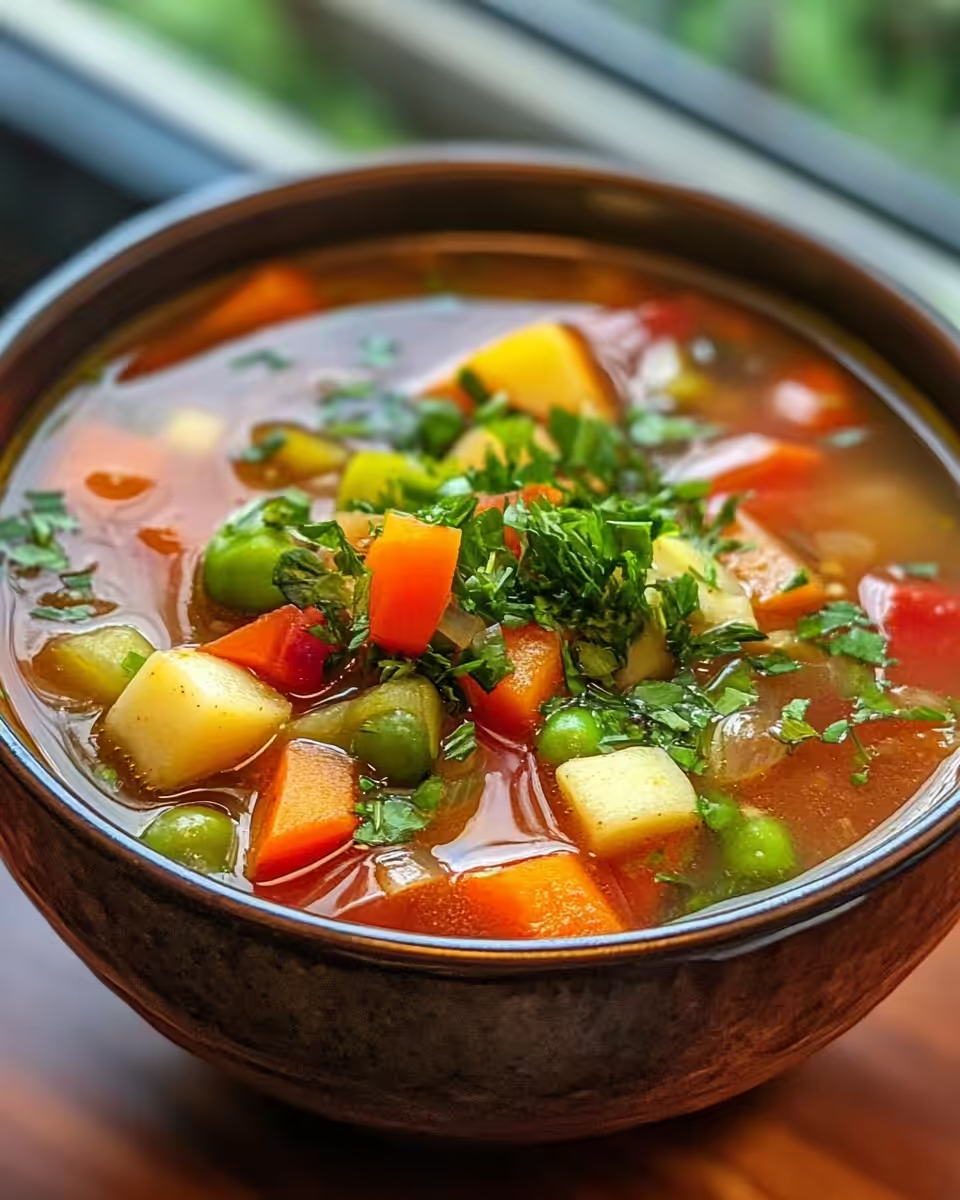
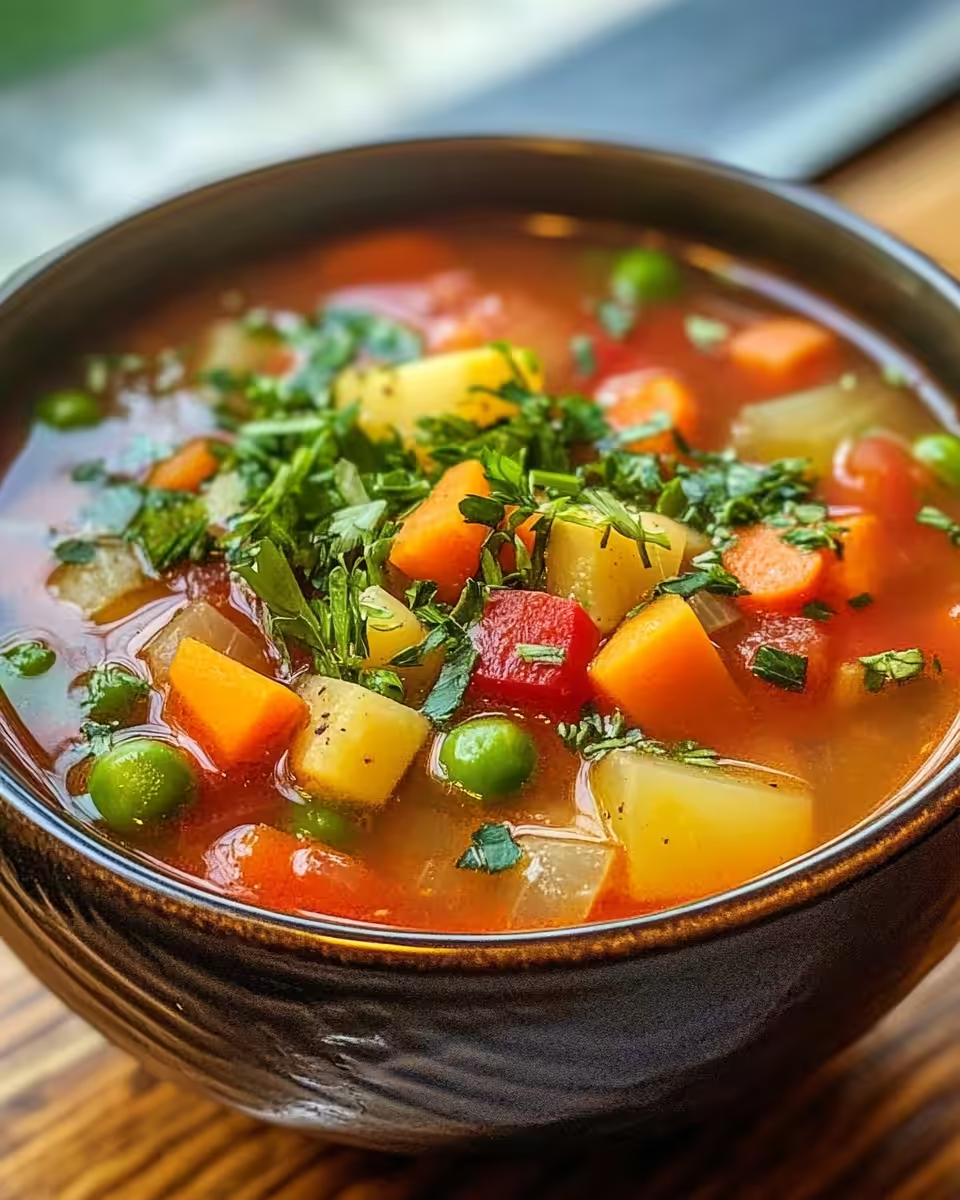
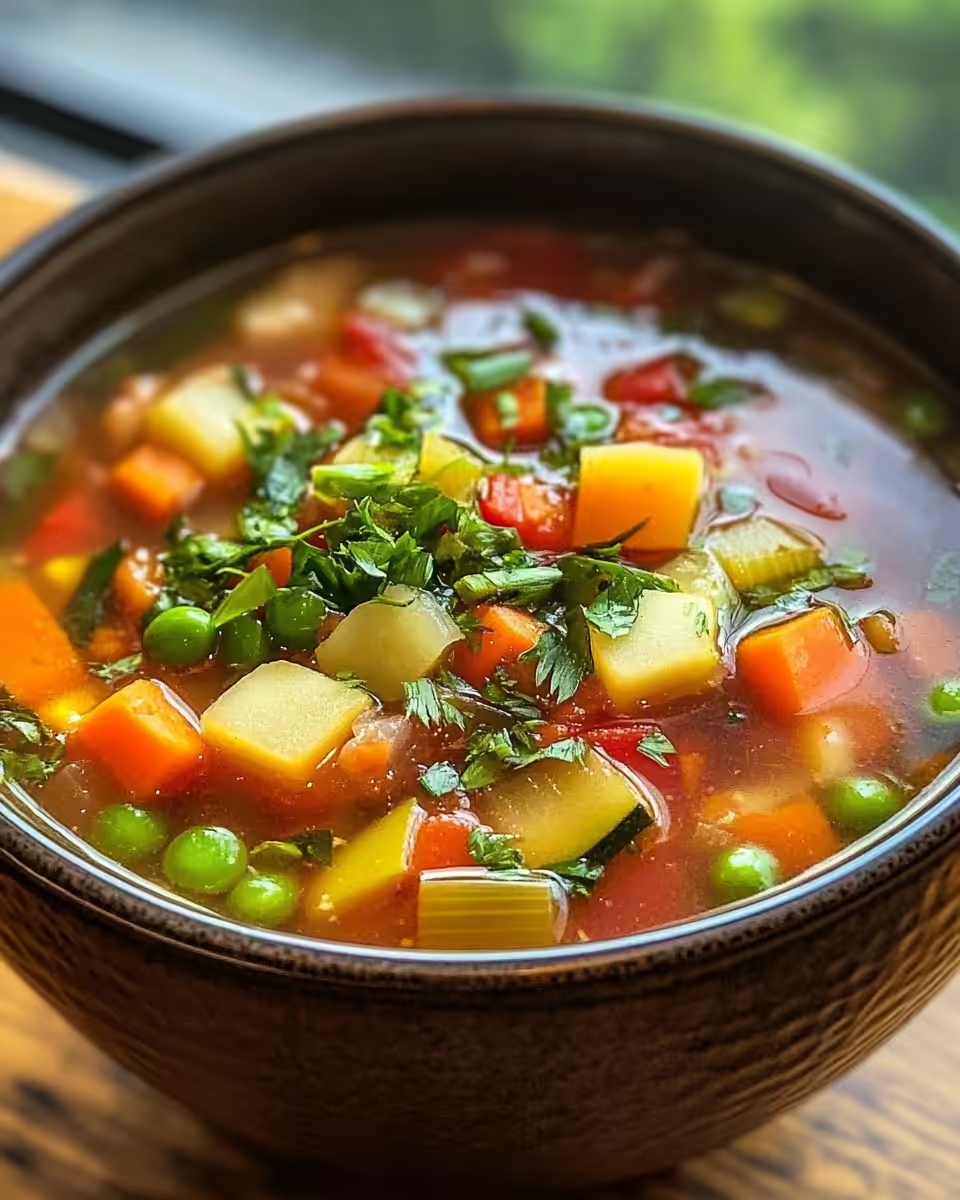
You notice the broth is rich and full-bodied from all those layered veggies and herbs. There’s this cozy warmth in every spoonful that hits just right on a chilly day. That little kick from red pepper flakes sneaks in to keep things interesting.
The veggies come out tender but still with a slight bite not mush. Each kind adds its own flavor note, kinda like a little veggie orchestra playing together perfectly. Chickpeas and sweet potatoes add creaminess and earthiness to balance the brighter tomato tang.
When you ladle it up and add fresh parsley or a sprinkle of Parmesan, it turns into a real comforting hug in a bowl. You’re gonna want to eat this soup all week long.
Your Leftover Strategy Guide
First off, cool your soup down a bit before putting it in the fridge. Store it in an airtight container and it’ll keep good for about 3 to 4 days. When reheating, stir occasionally to warm evenly and keep that broth perfect.
You can also freeze your soup in portion-sized containers for quick future meals. Just leave about an inch of space at top cause it expands when frozen. Thaw overnight in the fridge then heat gently on the stove or microwave.
If you wanna get fancy, pour leftover soup into ice cube trays to freeze little cubes for quick broth boosts in other dishes. Those cubes thaw fast and are super handy. Just pop a few in hot water or soups you’re making.
Your Most Asked Questions Answered
- Can I use frozen veggies instead of fresh? Yep, frozen veggies work real good here. Just add them in during the last few minutes of cooking so they don’t get mushy.
- What if I don’t have a sealing ring? The sealing ring is super important cause it traps steam needed to build pressure. You might wanna order a replacement if yours is missing or cracked.
- Is quick release better than natural pressure release? For veggie soups you usually want quick release. It stops cooking right away so your veggies stay tender, not mushy.
- Can I skip the vinegar? Totally. You can swap vinegar for lemon juice for a fresh tang that brightens flavors.
- Do I have to use chickpeas? Nope. You can leave ’em out or substitute with white beans or lentils for a different protein twist.
- How do I know when my soup is done? Look for tender pull on the veggies and wait till the float valve pops up when pressure builds. That tells you it’s cooking good.
Pressure Cooker Vegetable Soup Recipe You Gonna Love
Equipment
- 1 Pressure cooker
Ingredients
Main ingredients
- 2 tablespoons extra-virgin olive oil
- 1 medium yellow onion diced
- 1 teaspoon sea salt plus more to taste
- Freshly ground black pepper
- 1 medium carrot diced
- 1 small sweet potato diced (or swap with all carrot or butternut squash)
- 1 14.5-ounce can fire roasted diced tomatoes
- 4 garlic cloves chopped
- 2 teaspoons dried oregano or 2 tablespoons fresh thyme or rosemary
- ¼ teaspoon red pepper flakes plus more if you like it spicy
- 4 cups vegetable broth
- 2 bay leaves
- 1 cup halved cherry tomatoes or swap with bell pepper or zucchini
- 1 cup chopped green beans
- 1 zucchini diced
- 1 15-ounce can chickpeas drained and rinsed
- 2 tablespoons white wine vinegar or a big squeeze of lemon juice
- 1½ cups chopped kale or swap with spinach or chard
- Optional garnishes chopped parsley, basil, pesto, or Parmesan cheese
Instructions
Instructions
- Heat olive oil in your pressure cooker on medium setting. Toss in diced onion with salt and a few grinds of pepper. Cook, stirring now and then, till they soften up, about 5 minutes.
- Add diced carrot and sweet potato. Stir and cook for around 2 to 3 minutes so they get cozy with the oil.
- Mix in canned fire roasted tomatoes, garlic, oregano, and red pepper flakes. Give it all a good stir.
- Pour in the vegetable broth and drop in bay leaves. Lock the lid in place and make sure your sealing ring is set right.
- Wait for that float valve to pop up, then set your cooker to high pressure and cook for 10 minutes. Use quick release when done to avoid overcooking.
- Open the lid carefully. Stir in cherry tomatoes, green beans, zucchini, and chickpeas. Put the lid back on and cook on high pressure for 5 more minutes, then quick release again.
- Finally, add chopped kale and vinegar (or lemon juice). Cook on low pressure for 3 minutes just till kale wilts. Season with salt and pepper to your taste and serve with your favorite garnishes.