You catch the smell through the steam vent and suddenly you are starving. That deep, sweet scent of braised potatoes mixed with soy sauce and a little garlic kinda wraps around your kitchen like a warm hug. It’s one of those dishes that makes you wanna drop whatever you’re doing and just eat right then and there.
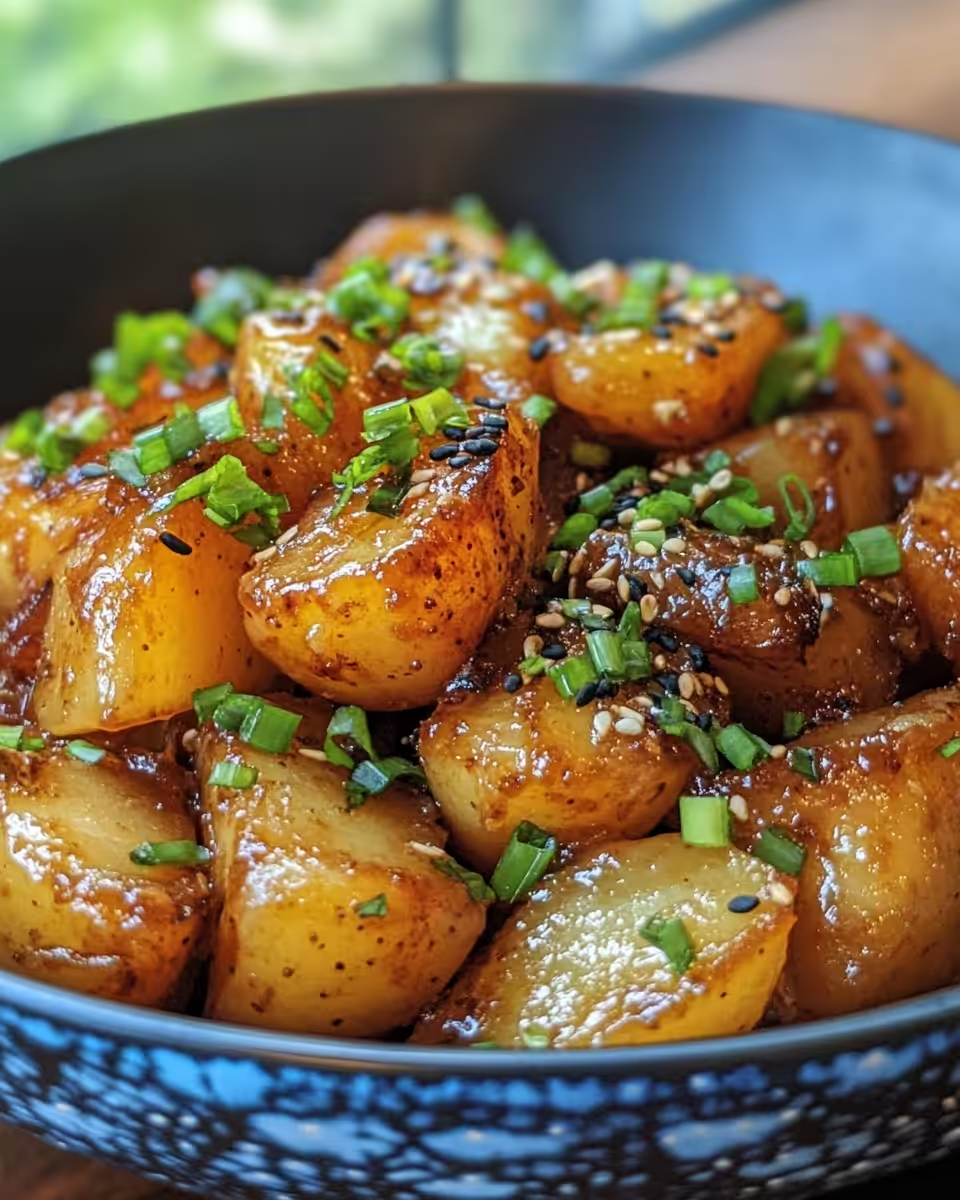
Gamja Jorim is a staple in Korean home cooking and for good reason. It’s simple but packed full of flavor. The potatoes get tender with a perfect glaze that’s both sweet and savory. Carrots, peppers, and onions add little bursts of color and texture that keep every bite interesting.
Using a pressure cooker for this dish? Heck yes, that’s a game changer. You get the same slow braised effect but way faster, and the taste doesn’t quit. Plus, you get that tender pull in every chunk of potato. Let me show you how to make it the easy way, and get ready to impress your taste buds.
What Makes Pressure Cooking Win Every Round
- You save serious time compared to stove-top simmering.
- The float valve tells you when your cookin’ time is up so no guesswork.
- Broth depth stays just right to fully flavor your taters without drownin’ them.
- Steam cues help you know when the pressure’s built so you can relax.
- Natural release lets the potatoes finish cooking gently, keepin’ that perfect tender pull.
- It’s hands-off mostly, so you can do other stuff while your dish cooks.
Everything You Need Lined Up
- 1.5 pounds potatoes (about 3 medium size)
- 1 carrot (around 3 ounces)
- 2 to 3 green chili peppers or half a green bell pepper for milder heat
- ¼ medium onion, chopped
- 1 tablespoon cooking oil (vegetable or canola works great)
- 3 tablespoons soy sauce (or mix 2 tablespoons soy sauce and 1 tablespoon gochujang for extra kick)
- 1 tablespoon sugar
- 1 tablespoon rice wine or mirin (totally okay to skip this if you ain’t got it)
- 1 tablespoon corn syrup or oilgodang; can substitute with extra sugar
- 1 teaspoon minced garlic
- Pinch of black pepper
- ¾ cup water
- 1 teaspoon sesame oil for finishing
- ½ teaspoon roasted sesame seeds to sprinkle on top
Make sure you got all these ready before you start so the process doesn’t slow down. Peeling and cutting your stuff beforehand really helps keep kitchen chaos away.
Your Complete Cooking Timeline
First, peel the potatoes and carrot. Cut the potatoes into 1 to 1.5-inch chunks. The carrot should be chunked a bit smaller so they cook evenly alongside taters. Give the potato chunks a good rinse in cold water to wash off extra starch, then drain.
Next, chop the onion and your chili peppers or bell pepper into bite-sized pieces so they’ll be easy to eat and spread out the flavor.
Heat that tablespoon of cooking oil in your pressure cooker on the sauté setting or just regular medium heat if you got a stove-top one. Toss in the potatoes and carrots and stir-fry ‘em for about 5 minutes until they start getting a little color.
Pour in ¾ cup water, your soy sauce, sugar, rice wine, corn syrup, and minced garlic. Mix it all up so every piece gets some love in the sauce.
Lock the lid, make sure the float valve is closed, and bring the cooker up to pressure. Once you see that float valve pop up and the cooker is sealing, reduce the heat a bit to keep steady steam without burning your sauce. Let it pressure cook for about 5 minutes.
When the timer beeps, let the pressure out naturally instead of quick-releasing. This natural release is key to keep potatoes tender without falling apart. Once you can open the lid, stir in your onions and peppers. Cook uncovered on sauté or medium heat for 5 more minutes to thicken the sauce and glaze those taters.
Finish with a drizzle of sesame oil and sprinkle your roasted sesame seeds on top before serving warm. Yum.
Quick Tricks That Save Your Time
- Peel your potatoes and carrots while the pressure cooker heats up to save some minutes off your total cook time.
- Use pre-minced garlic or garlic paste to skip the chopping step without losing flavor.
- Switch to green bell peppers if you want less spicy heat and less fuss with seeds.
These little hacks won’t change your final taste too much but do make your cooking faster and simpler.
When You Finally Get to Eat
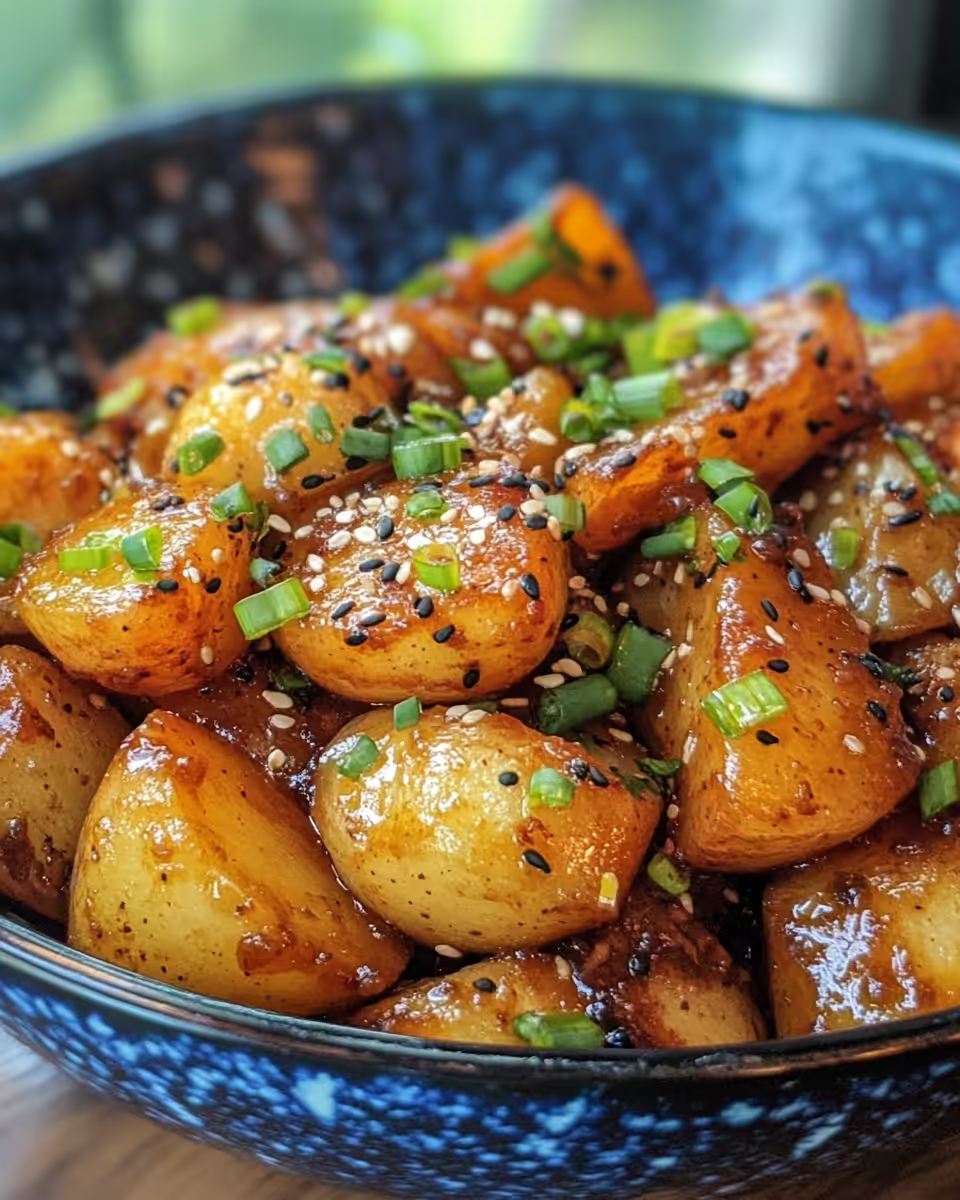
When you serve up this Gamja Jorim, you’ll spot those perfectly tender potato chunks all shiny with that thick, sticky sauce. It smells sweet with soy and that tiny kick of garlic right there in your nose.
Every bite you take has that soft tender pull you gotta love, with little crunchy bursts from the peppers and carrots. The flavor kinda wraps around your tongue in a cozy way, like a meal that truly feels like home.
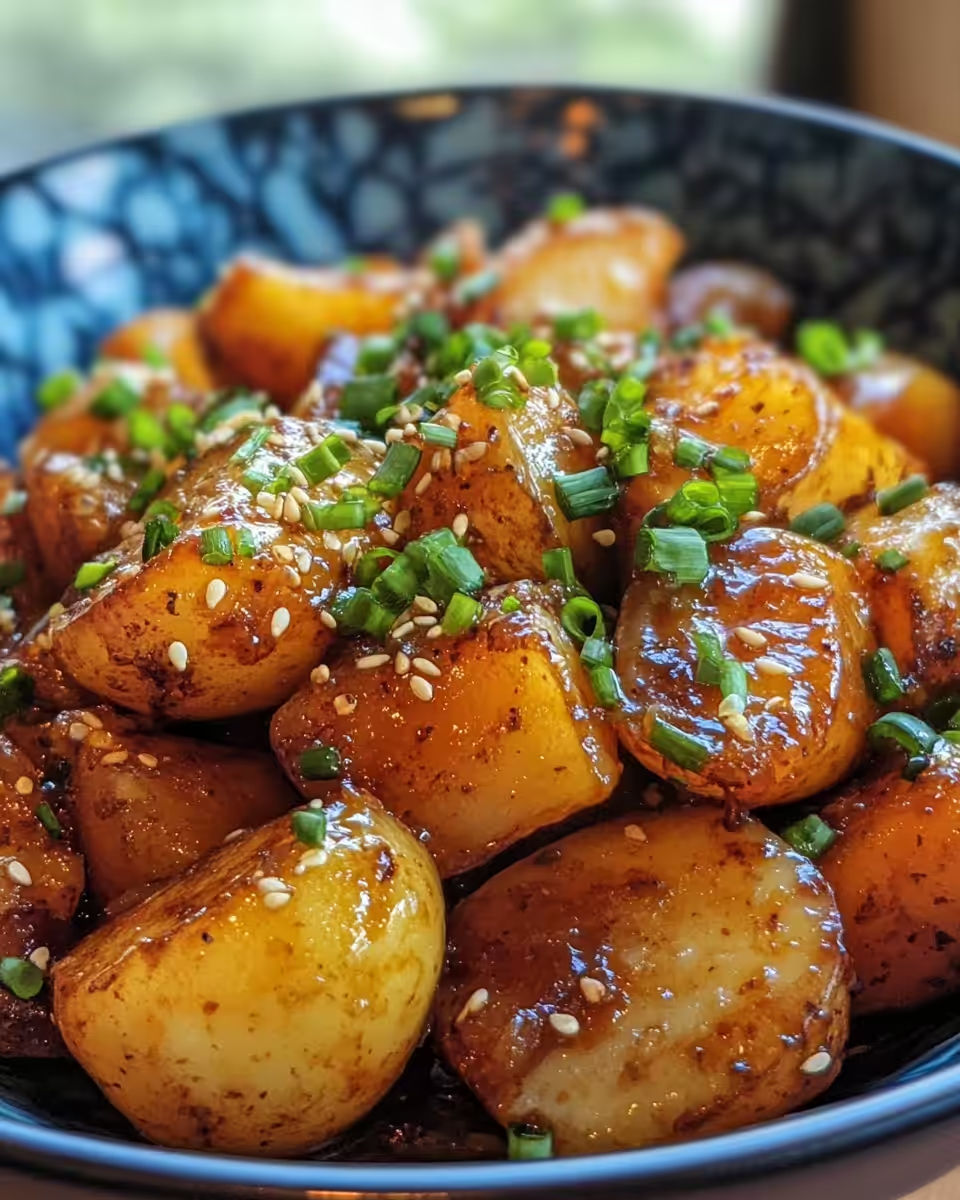
It’s great as a side dish with rice or on its own if you’re grazing or want a simple snack. You’ll wanna make this over and over again, I swear.
Keeping Leftovers Fresh and Ready
- Store leftover Gamja Jorim in an airtight container in the fridge for up to 3 days. The flavors actually get better rested overnight.
- If you want to freeze some, place the potatoes and sauce in a freezer-safe container. They keep well up to 1 month. Thaw in the fridge before reheating.
- Reheat gently on the stove or in your pressure cooker using the sauté function to avoid overcooking the potatoes.
- You can add a splash of water if the sauce thickens too much after chilling before warming it up.
Just make sure you don’t leave it out too long at room temp or the potatoes’ll get mushy and the sauce might go off faster.
The FAQ Section You Actually Need
Can I use different kinds of potatoes for this? Yeah, you can! Waxy potatoes like Yukon Gold hold up best but russets work too if you watch the cook time so they don’t turn mushy.
Do I really need to do natural release every time? For this dish, yeah, natural release keeps your potatoes tender without breaking apart. Quick release makes ‘em fall apart faster.
Can I make this spicy? Definitely! Add more green chilies or even a dash of gochugaru (Korean chili flakes) when cooking.
What if I don’t have corn syrup or oilgodang? No worries, you can just add a little more sugar instead for that sweetness and shine.
Is rice wine important here? It adds some complexity but it’s okay to skip if you don’t got it on hand.
Can I prep ingredients ahead of time? Totally! Chop everything and keep it in the fridge so when you’re ready, the cooking part flies by.
Related Recipes You Might Enjoy
- Try our delicious enchilada pasta for a fun Mexican-Italian fusion dinner.
- Looking for an easy appetizer? Check out Cheesy Taco Sticks that are perfect for parties.
- Love Korean cooking? Don’t miss our take on quinoa in the Instant Pot for a nutritious side dish.
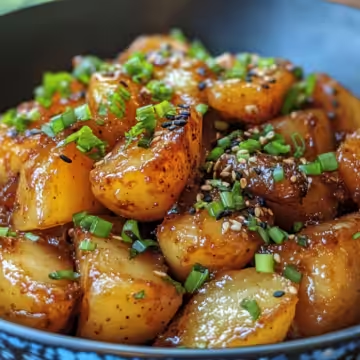
Gamja Jorim (Korean Braised Potatoes)
Equipment
- 1 Pressure Cooker
Ingredients
Main ingredients
- 1.5 pounds potatoes about 3 medium size
- 1 carrot about 3 ounces
- 2 to 3 green chili peppers or ½ green bell pepper
- ¼ medium onion chopped
- 1 tablespoon cooking oil vegetable or canola
- 3 tablespoons soy sauce or 2 tablespoons soy sauce + 1 tablespoon gochujang
- 1 tablespoon sugar
- 1 tablespoon rice wine or mirin, optional
- 1 tablespoon corn syrup or oligo dang, or extra sugar
- 1 teaspoon minced garlic
- 1 pinch black pepper
- ¾ cup water
- 1 teaspoon sesame oil for finishing
- ½ teaspoon roasted sesame seeds to sprinkle on top
Instructions
Instructions
- Peel the potatoes and carrot. Cut potatoes into 1 to 1.5-inch chunks, and the carrot into slightly smaller chunks. Rinse potato chunks under cold water to remove excess starch and drain.
- Chop the onion and chili peppers (or bell pepper) into bite-sized pieces.
- Heat the cooking oil in a pressure cooker using the sauté setting or on medium heat. Add the potatoes and carrots and stir-fry for about 5 minutes until slightly golden.
- Add water, soy sauce, sugar, rice wine, corn syrup, and minced garlic to the cooker. Stir to combine.
- Lock the lid, make sure the float valve is closed and bring to pressure. Once sealing, reduce heat and pressure cook for 5 minutes.
- Let pressure release naturally. Once safe, open lid, stir in onion and peppers, and cook uncovered for 5 minutes on sauté or medium heat to thicken the sauce.
- Finish with a drizzle of sesame oil and sprinkle roasted sesame seeds over top before serving warm.