
The pressure builds and you start counting down minutes until you eat. You spot the sealing ring locked in place on your pressure cooker and that little valve hiss promises delicious stuff is happening inside. It’s kinda like a game, watchin that timer drop while you dream about the sweet soy and sesame smell soon filling your kitchen.
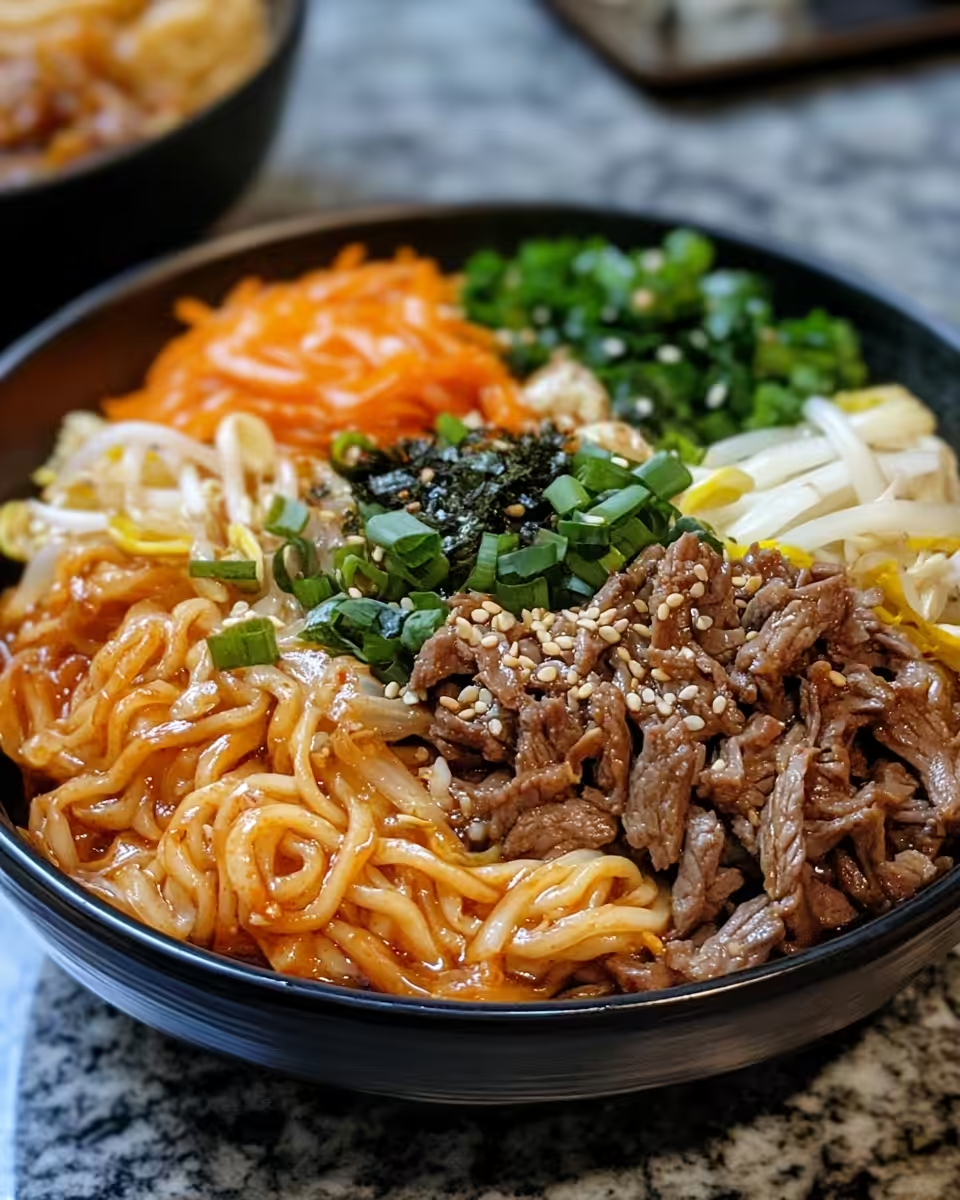
Japchae, those slippery sweet potato glass noodles, soak up every bit of flavor when you cook ’em right in a pressure cooker. You gotta trust the process though because it’s not your usual quick stir-fry jam. You set it, relax, and wait for that natural release buzz that means everything’s perfect.
Every kitchen moment feels a bit more special when you’re wokking with authentic Korean ingredients and textures. You remember the first time you tried Japchae, how the soft noodles tossed with tender veggies and beef made you wanna dance. So now you’re ready to make a batch that’s just as good, only faster and easier with the help of your pressure cooker.
The Truth About Fast Tender Results
- Your glass noodles cook quick but gotta keep an eye so they dont overcook and get mushy.
- Pressure cooker helps you combine flavors fast ‘cause the steam infuses everything real good.
- Beef slices come out super tender with that quick release method.
- Natural release keeps veggies just right, not too soft or limp.
- Sealing ring must be checked before you start, no pressure builds without it.
- Valve hiss is your friend; it signals when pressure’s at peak and things are happening.
- Quick release can be tricky but trust it for noodles or meat to stop cooking at the right time.
Everything You Need Lined Up
- 8 oz Korean glass noodles (dangmyeon)
- 5 oz beef stew meat, thinly sliced
- 1 bunch fresh spinach, blanched
- ½ onion, thinly sliced
- ½ carrot, julienned
- 3 dried shiitake mushrooms, soaked and sliced
- ¼ cup dried wood ear mushrooms (optional), soaked and sliced
- Seasonings: soy sauce, sugar, sesame oil, garlic powder, rice cooking wine
You gotta prep each ingredient like a pro for that authentic Japchae vibe. The glass noodles should be soaked a bit before cooking in the pressure cooker so they dont get rubbery. Thin strips of beef marinated in a mix of soy sauce, sugar and a little garlic powder will soak up sweetness and umami. Spinach is blanched just right to keep its chew and color nice.
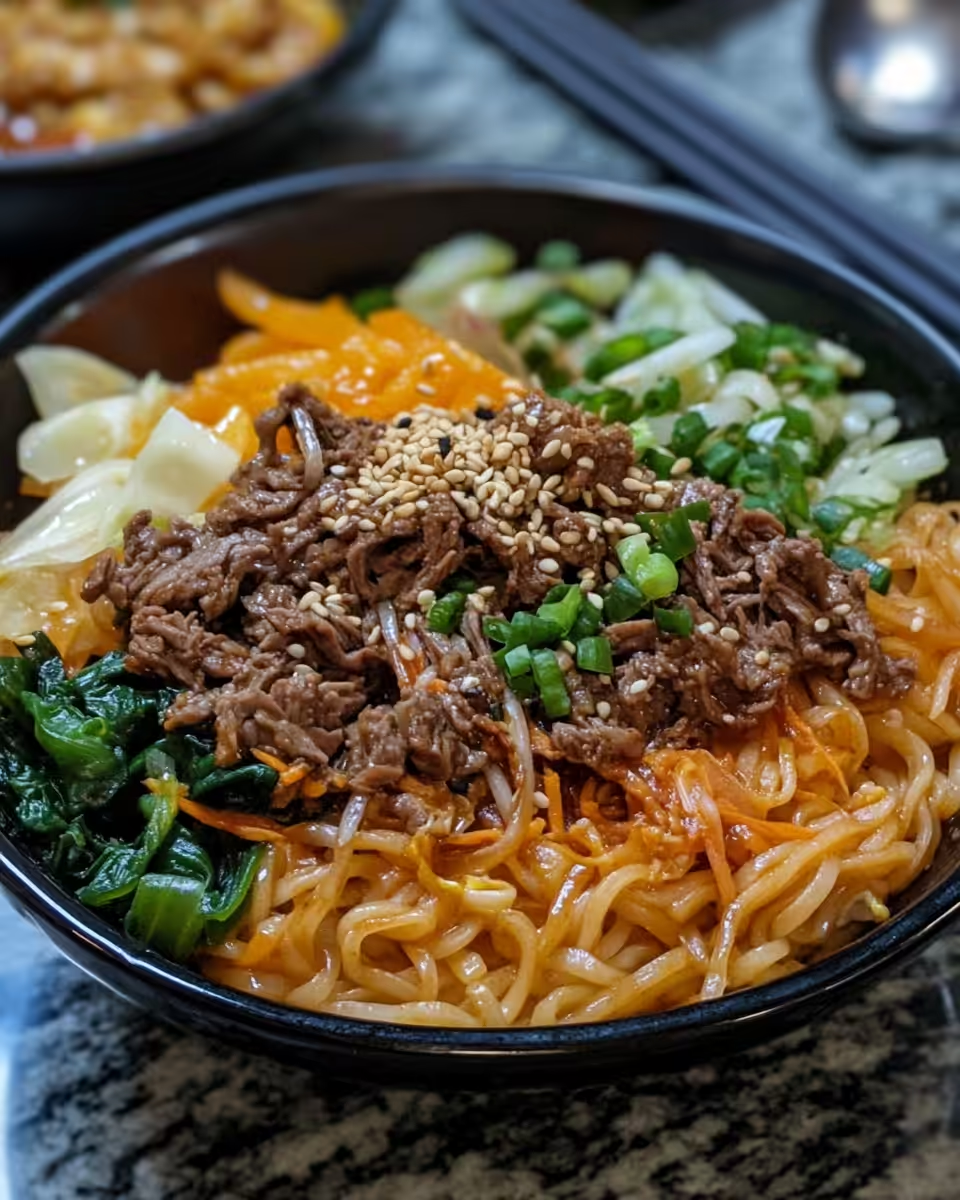
Mushrooms soak up water and then slice thinly to add that earthiness that makes Japchae anything but boring. Carrots and onions gotta be julienned for perfect texture contrast and sauteed separately. You want each veggie to pop, and the beef tender but not dry.
Your Complete Cooking Timeline
Step 1. Soak dangmyeon noodles in warm water for about 30 minutes before cooking. This softens noodles so they cook evenly in your pressure cooker.
Step 2. Marinate your thinly sliced beef with 2 teaspoon soy sauce, 2 teaspoon sugar, 1 teaspoon sesame oil, 1 teaspoon rice cooking wine, and ½ teaspoon garlic powder. Give it 15 minutes to soak up all that flavor.
Step 3. Blanch spinach in boiling salted water for 30-40 seconds. Shock it in ice water right after to stop cooking. Squeeze out excess water and toss with little salt and sesame oil to season.
Step 4. Saute carrots, onions, and mushrooms one at a time in a pan with a little oil and pinch of salt till soft. Remove them to cool while you cook beef.
Step 5. Cook marinated beef in the same pan on medium-high heat until browned and juices evaporate. Transfer to plate.
Step 6. Add soaked noodles, all veggies, and beef to the pressure cooker insert. Add 1 tablespoon soy sauce, ½ tablespoon sugar, and ½ tablespoon sesame oil. Seal and cook on high pressure for 3 minutes with sealing ring in place. Use quick release to stop cooking fast. Open, toss, taste, and adjust seasoning as you want. Let it sit for a few minutes by slow release if you want it more settled.
Smart Shortcuts for Busy Days
- Use pre-sliced beef or leftover cooked meat to save time on marinating and cooking.
- Grab pre-washed and blanched spinach from the store for a no-fuss veggie prep.
- Pre-cut vegetables like carrots and onions can cut down on peeling and slicing hassles.
- Cook noodles in advance and keep ‘em lightly oiled in the fridge so they’re ready to toss in quick.
These hacks don’t take away from the authentic taste but make the whole process quicker so you can enjoy sooner. You gotta balance real flavor with smart kitchen moves sometimes, and it works real good for Japchae.
What It Tastes Like Fresh From the Pot
Japchae fresh from your pressure cooker is a slippery tender bowl of joy that’s packed with sweet, salty, and nutty vibes. The glass noodles soak up the soy and sesame sauce, making each bite chewy but bursting with flavor.
The beef slices melt in your mouth from the quick release cooking, tender and juicy with a hint of sweetness from the marinade. Every veggie is just right — carrots with a slight crunch, spinach tender but still got a little bite, mushrooms earthy and soft.
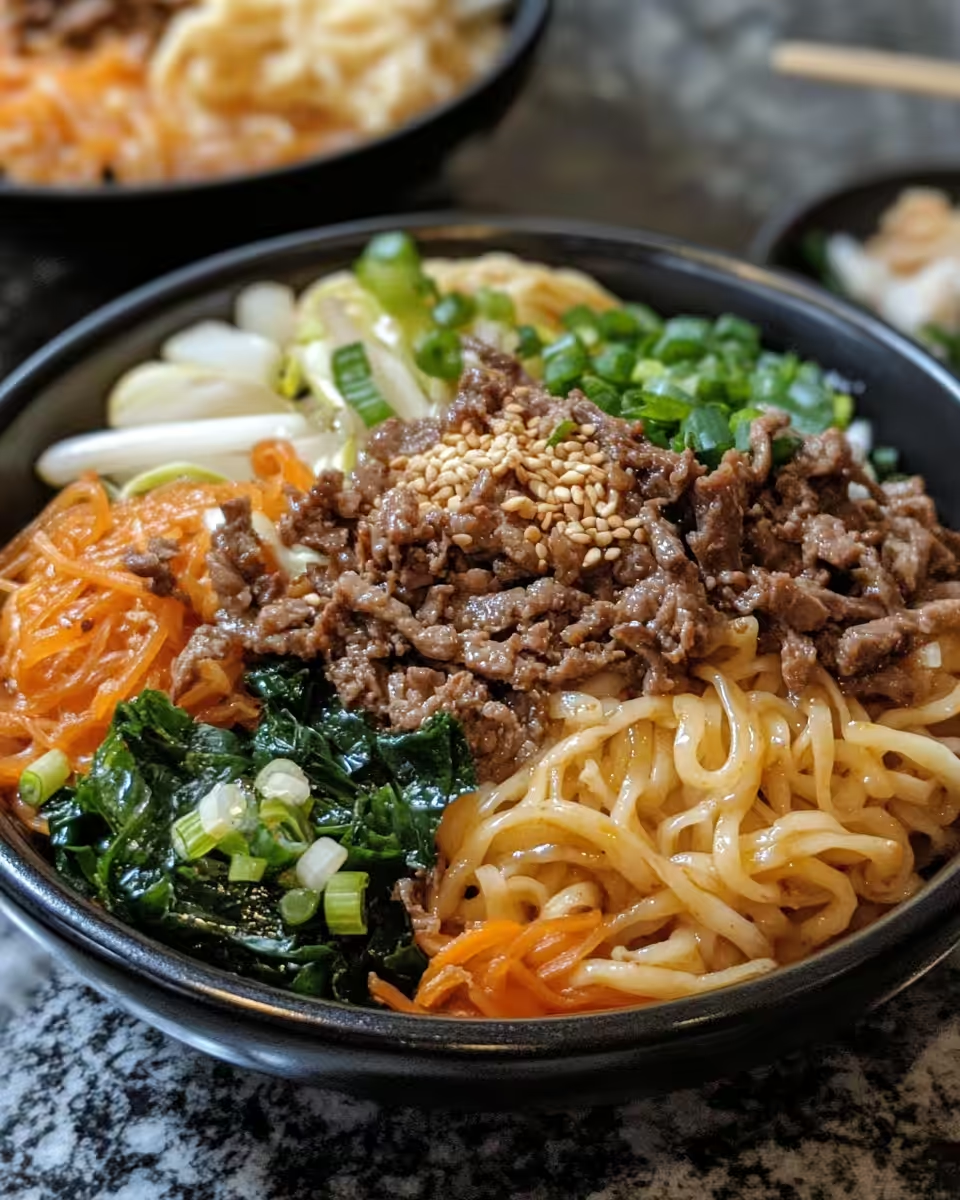
It’s an amazing mix of textures and tastes that feels like a warm Korean hug in every forkful. You catch that sesame oil aroma, and it just pulls you in for more. Don’t forget to adjust your seasoning as you go or add a little sprinkle of sesame seeds for that final touch.
Smart Storage That Actually Works
You wanna keep your Japchae tasting fresh? Store it right away in an airtight container in the fridge. It’ll last a few days without losing much goodness.
If you wanna keep it longer, freezing works too. Freeze in small portions so you can thaw just what you need. When you reheat, do it gently in a non-stick pan with low heat, stirring often so noodles don’t get mushy.
Leaving Japchae out at room temp longer than half a day, especially in warmer weather, can make it spoil fast. So store in the fridge soon after serving, even if you wanna enjoy it a bit warm later.
The FAQ Section You Actually Need
- Is Japchae served hot or cold?
Japchae is best served at room temperature but you can have it warm too. It even holds up well at cool room temp for about a day. - Is Japchae low carb?
Glass noodles made from sweet potato starch got carbs, so it’s not low carb. But veggies and beef are almost zero carb, so you can tweak the noodle amount to make it lower carb. - How do you reheat Japchae?
Reheat in a non-stick pan on medium-low heat, stirring often. Microwaving works but pan method rocks better texture. - How long does Japchae keep in the fridge?
It lasts a few days in the fridge and you can freeze it too if you wanna keep it longer. - How should I store Japchae?
Don’t leave it out too long, especially in summer. Store in fridge right after serving to avoid spoilage. - Why does Japchae sometimes taste bland after a while?
Glass noodles soak up the seasoning fast. Taste a couple times after making it and add soy sauce, sugar, or sesame oil if it feels like it’s missing something.
For more tips on quick meals, check out our Delicious Enchilada Pasta recipe that’s a family favorite and super easy to make. If you want a fun finger food, explore our Cheesy Taco Sticks which are perfect for parties and quick snacks. For a cozy, rich meal, try the Garlic Mushroom Pasta recipe that pairs well with fresh garlic and mushrooms, an Italian classic worth mastering.
Also, for those looking for something savory and herby, the Mozzarella Stuffed Rosemary Parmesan Soft Pretzels bring amazing aromas and gooey cheesy goodness, perfect for any gathering. If you’re into quick and healthy meals, the Ultimate Quinoa Instant Pot Cooking Guide will get your quinoa perfect every time. And for a tangy protein option, try the Delicious Balsamic Chicken recipe with simple ingredients and big flavors.
Best Japchae (Korean Glass Noodles) – Authentic and Amazing
Equipment
- 1 Pressure cooker
- 1 Mixing bowl
- 1 Saute pan
Ingredients
Main Ingredients
- 8 oz Korean glass noodles (dangmyeon)
- 5 oz Beef stew meat thinly sliced
- 1 bunch Fresh spinach blanched
- ½ Onion thinly sliced
- ½ Carrot julienned
- 3 Dried shiitake mushrooms soaked and sliced
- ¼ cup Dried wood ear mushrooms optional, soaked and sliced
- Soy sauce for seasoning
- Sugar for seasoning
- Sesame oil for seasoning
- Garlic powder or fresh garlic
- Rice cooking wine
Instructions
Instructions
- Soak dangmyeon noodles in warm water for about 30 minutes before cooking.
- Marinate sliced beef with soy sauce, sugar, sesame oil, rice cooking wine, and garlic powder for 15 minutes.
- Blanch spinach in boiling water for 30–40 seconds. Shock in ice bath, squeeze water out, and season lightly.
- Saute carrots, onions, and mushrooms separately with oil and salt until soft. Set aside.
- Cook beef in pan over medium-high heat until browned and juices evaporate. Transfer to plate.
- Add soaked noodles, all vegetables, and beef into the pressure cooker insert. Add soy sauce, sugar, and sesame oil. Seal and cook on high pressure for 3 minutes. Use quick release.
- Toss everything together, taste and adjust seasoning as needed. Let sit few minutes before serving.