That first hiss from the cooker tells you something good is happening. You remember that noise from the very start of your pressure cooker days, and somehow it never gets old. That float valve popping up almost like a welcome signal that your stew is getting all cozy inside. You sense the heat building and the sealing ring doing its job, locking everything in tight so nothing escapes but flavor.
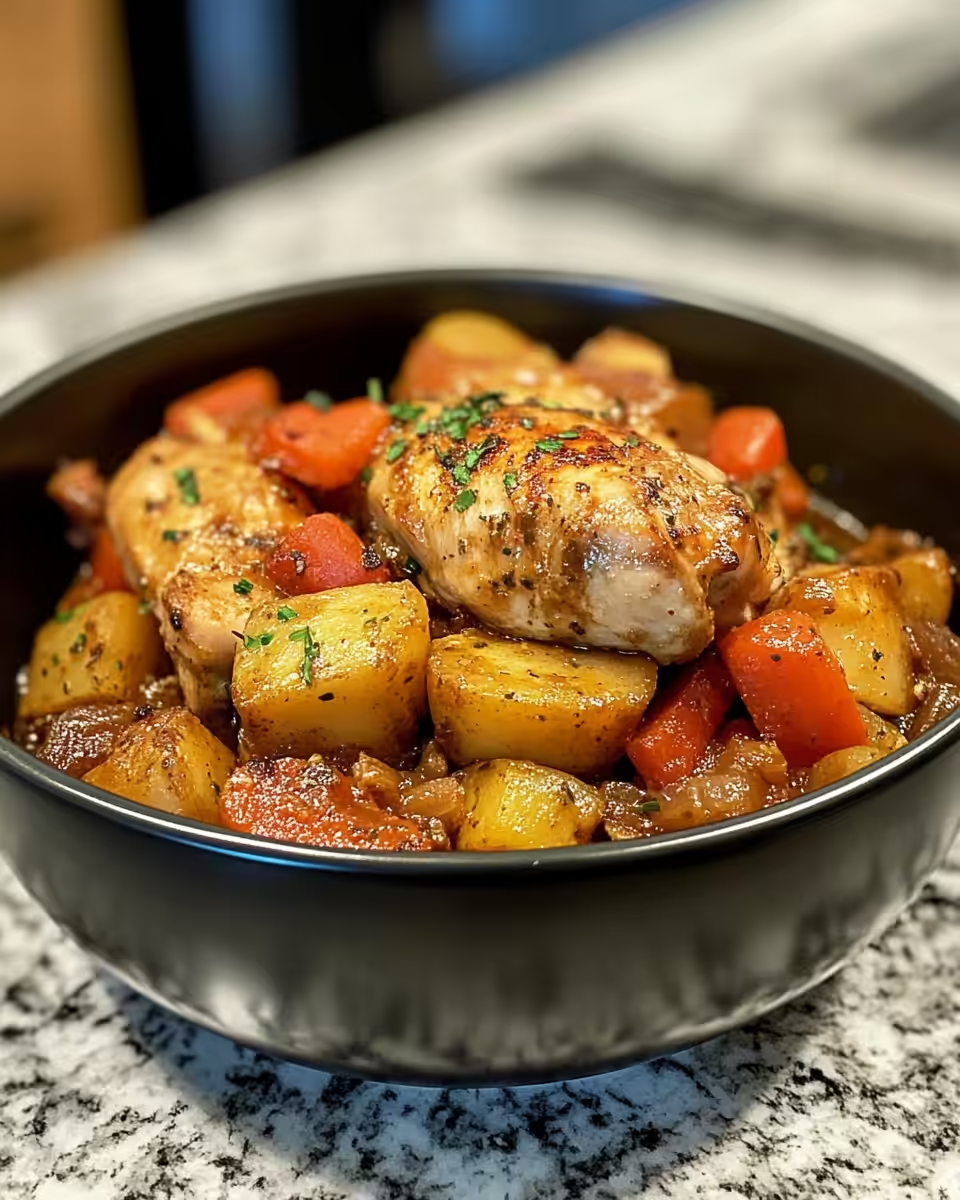
This stew is kinda like a warm hug after a long day. You throw in your chicken and veggies, seal it up, then kinda just chill while the pressure builds and the cooker does all the hard work. You wait for the quick release moment knowing that after all that steam, you’re about to get some seriously tender pull chicken, juicy potatoes, and rich broth that tastes like it simmered all day long. Yet it happens way faster because you gotta love that pressure cooker efficiency.
What blows you away every time is how this old fashioned chicken stew becomes something special—and not just 'stewed' but perfectly blended. The carrots and onions taste sweet, the garlic sings in the background, and the little flour coating? It thickens everything up real good. All the flavors kinda marry themselves together in a way that makes you want to grab your bowl and dive right in. You can almost smell the fresh parsley stirred in at the end, bringing a fresh little burst to each warm spoonful.
What Makes Pressure Cooking Win Every Round
- You get supper on the table faster than traditional simmering, no long watch over the stove.
- The float valve lets you know when pressure is built, so you don't have to guess if it's ready.
- The sealing ring guarantees that no steam escapes, locking in all those deep flavors.
- Quick release saves time by letting you vent steam fast when cooking’s done.
- Meats come out with that tender pull every time, you don’t need to fuss or poke around lots.
Master pressure cooking techniques like quick release and sealing ring maintenance to ensure success, similar to tips shared in our Easy Thai Baked Chicken Meatballs recipe.
What Goes Into the Pot Today
- 1 ½ lbs chicken thighs, boneless and skinless, cut into 2-inch chunks—these little pieces soak up all the flavor.
- 2 tablespoons avocado oil, divided so you get the perfect sear and saute.
- 3 medium carrots, peeled and sliced diagonally about ½-inch thick to add some sweetness and texture.
- 1 medium sweet onion, cut into 12 wedges so it dissolves just right inside the stew.
- 6 garlic cloves, chopped fine for that lovely aromatic punch.
- 5 cups chicken broth or stock, divided to help build richness and perfect consistency.
- 2 tablespoons all-purpose flour, to coat your veggies and thicken the stew gently.
- 1 dried bay leaf, throwing in a bit of herby depth to the whole thing.
- 12 ounces baby white potatoes, scrubbed and quartered for baby tender bites throughout.
- ¼ cup fresh chopped parsley, tossed in at the end to freshen and brighten each spoonful.
Walking Through Every Single Move
Start by heating 1 tablespoon of avocado oil in your pressure cooker pot or a Dutch oven over medium-high heat.
Once it’s hot, add your chicken chunks in a single layer. Sear ‘em till they’re browned on all sides. That’s about 5 minutes. Then pull that chicken out and set it aside—don’t rush but keep an eye so it don’t burn.
Now turn the heat down to medium, and toss in the other tablespoon of oil.
Add your sliced carrots and those sweet onion wedges. Let ‘em cook for about 5 minutes too, just until they soften up a bit.
Garlic time next—stir that in and cook for a quick minute till it gets fragrant, but careful not to burn it.
Sprinkle the flour over the veggies. Stir it around so all the pieces get coated—this helps thicken the stew later and takes away that raw flour taste by cooking it for 1-2 minutes.
Gradually pour in 4 cups of chicken broth, stirring constantly. You wanna avoid lumps and keep it smooth.
Drop in your bay leaf, baby white potatoes, and the seared chicken back to the pot. Give it a good stir so everything’s cozy and mixed.
Bring that stew to a boil, then reduce to low heat. Put the lid on and make sure the sealing ring is snug. Now you simmer it for 25-30 minutes. This is where all the pressure builds and flavors blend.
When time’s up, check the stew. If it seems too thick or too dry, stir in the last cup of chicken broth you saved to get the perfect consistency.
Remove from heat and fish out the bay leaf. Toss in your fresh parsley and give it one last stir before serving it hot.
Valve Hacks You Need to Know
- If you’re in a hurry, try the quick release method right after cooking. Just flip that valve carefully and watch the steam hiss out fast—but use a kitchen towel to protect your hand.
- Sometimes float valves get stuck or slow; nudging it gently can get your pressure build going quicker.
- Keep a spare sealing ring ready. Rings wear out or get stained so swapping it now and then helps keep your cooker working like new.
That First Bite Moment
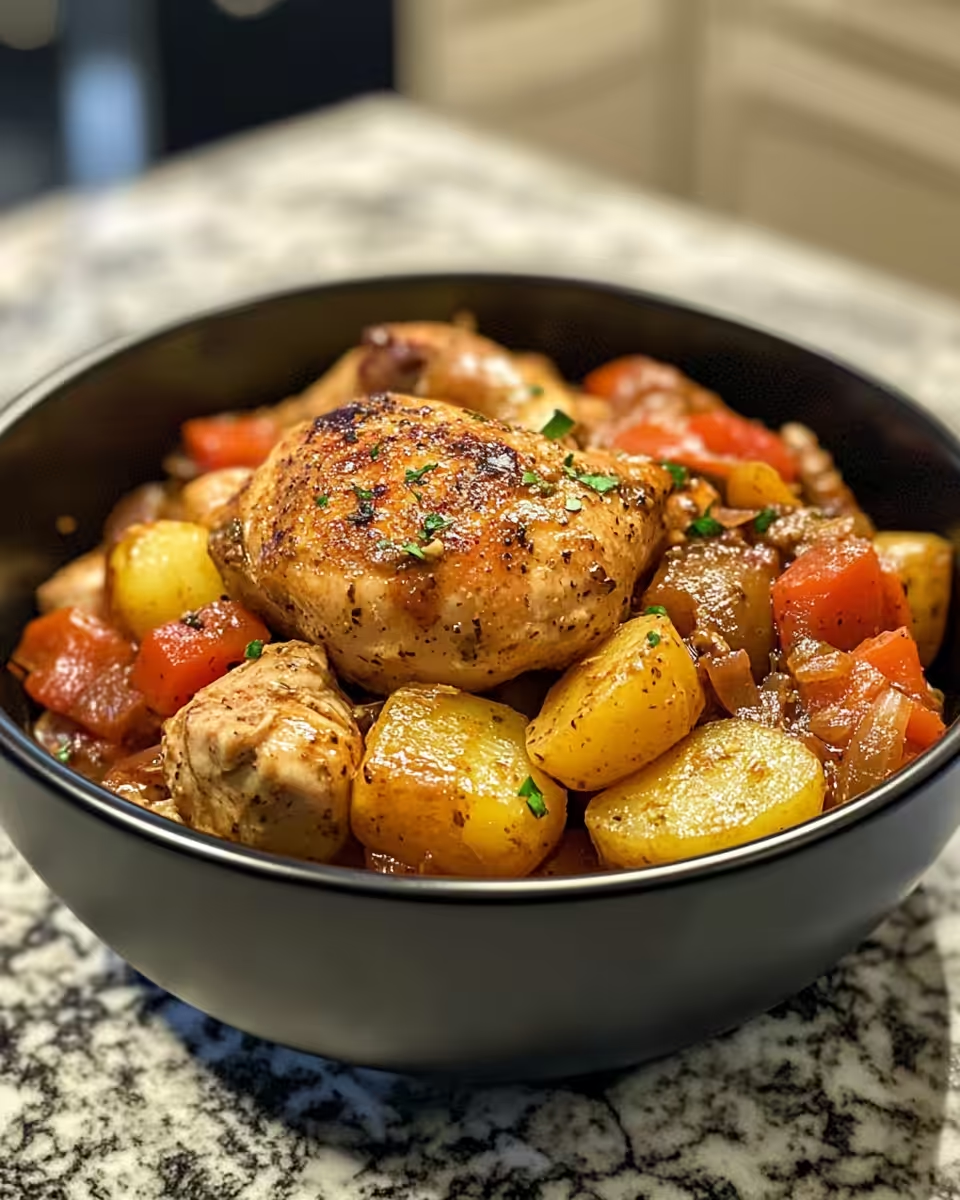
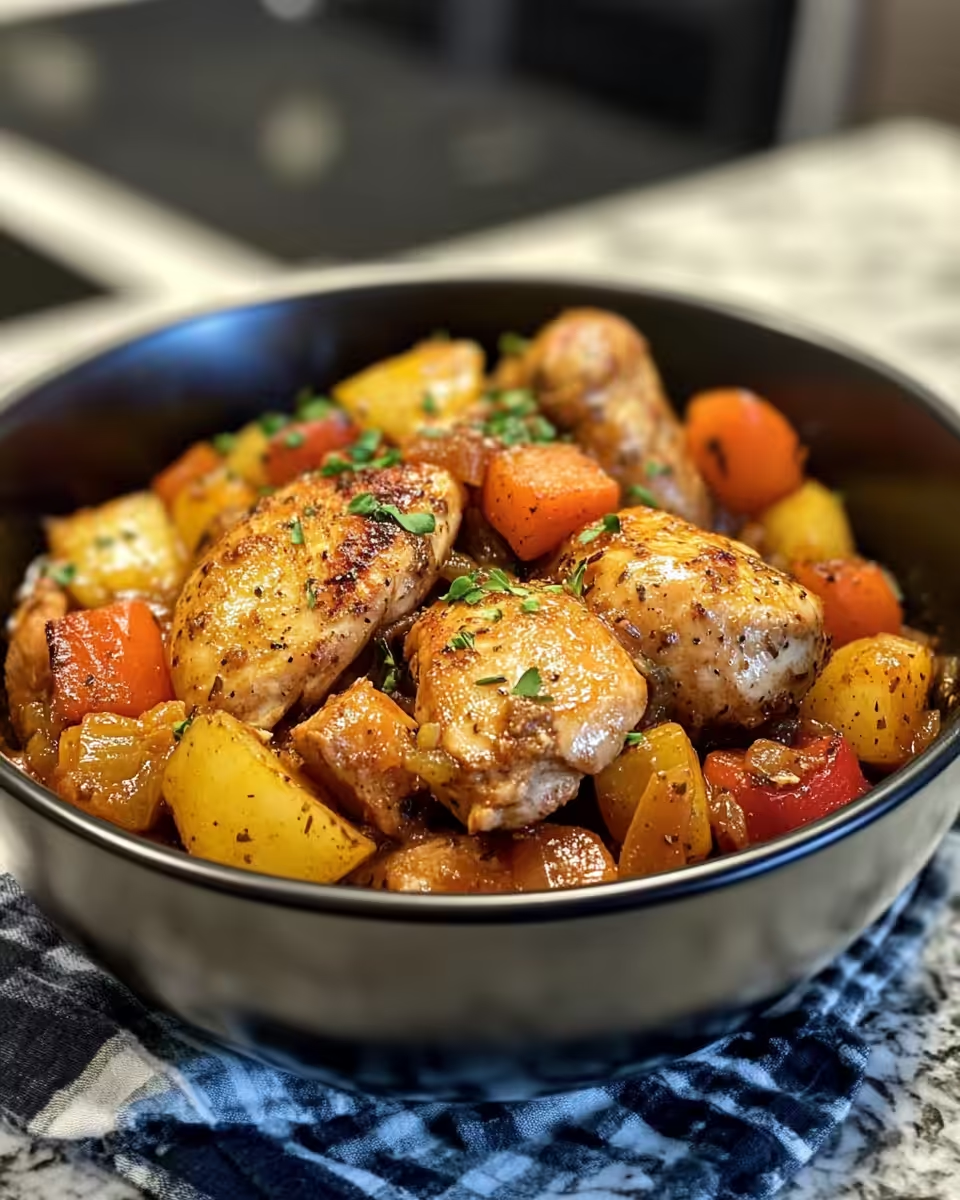
When you scoop up that first spoonful, you notice the chicken is so tender you barely gotta pull it apart. It melts in your mouth kinda like it’s been simmering for hours even though you just gave it a short pressure cook.
The potatoes are creamy soft, and those carrots bring a sweetness that balances the savory broth beautifully. Onions have broken down nicely, giving you little pockets of mellow flavor mixed with the herbs and garlic.
Each bite fills you up with warmth—like you’re sitting in a cozy kitchen with the smell of home-cooked goodness wrapping you up. The fresh parsley on top gives a little zing that cuts through the richness perfectly.
Your Leftover Strategy Guide
- Store your stew in airtight containers and pop it in the fridge for up to 3 days. You'll notice flavors intensify overnight by then.
- Freeze leftovers in freezer-safe bags or containers for up to 3 months. Just thaw it in the fridge overnight before reheating gently on the stove.
- Reheat on the stovetop with a splash of chicken broth to loosen things up—it works real good for maintaining texture and flavor.
- If you reheat in the microwave, cover the container to hold steam. Stir halfway through to warm evenly and keep that stew juicy.
Everything Else You Wondered About
- Can I use chicken breasts instead? Sure, but thighs stay juicier and don’t dry out as fast in pressure cooking.
- Do I have to brown the chicken first? Browning adds flavor and texture but you could skip if short on time.
- Can I add different veggies? Totally! Green beans, peas, or celery work great but add them near the end to keep ‘em crisp.
- What if my stew is too watery? Remove the lid and simmer on sauté mode to thicken or stir in a little flour slurry.
- How do I know when the stew is done? When the float valve has risen and stayed up, and the veggies and chicken feel tender when you poke ‘em.
- Got leftovers, how long can I keep ‘em? Fridge is safe for 3 days, longer in the freezer like a few months for best taste.
Old Fashioned Chicken Stew Recipe
Equipment
- 1 Mixing bowl Large
Ingredients
Main Ingredients
- 1 ½ lbs chicken thighs boneless and skinless, cut into 2-inch chunks
- 2 tablespoons avocado oil divided
- 3 medium carrots peeled and sliced diagonally about ½-inch thick
- 1 medium sweet onion cut into 12 wedges
- 6 garlic cloves chopped fine
- 5 cups chicken broth or stock divided
- 2 tablespoons all-purpose flour
- 1 dried bay leaf
- 12 ounces baby white potatoes scrubbed and quartered
- ¼ cup fresh chopped parsley tossed in at the end
Instructions
Instructions
- Heat 1 tablespoon of avocado oil in your pressure cooker pot or Dutch oven over medium-high heat.
- Add chicken chunks in a single layer. Sear until browned on all sides, about 5 minutes. Remove and set aside.
- Turn heat down to medium. Add remaining tablespoon of oil.
- Add sliced carrots and onion wedges. Cook for about 5 minutes until softened.
- Stir in chopped garlic and cook for 1 minute until fragrant.
- Sprinkle flour over veggies and stir for 1-2 minutes to coat and cook off flour taste.
- Gradually pour in 4 cups of chicken broth, stirring constantly to avoid lumps.
- Add bay leaf, potatoes, and the seared chicken. Stir to combine.
- Bring stew to a boil, then reduce heat and cover with lid, ensuring sealing ring is snug.
- Simmer for 25-30 minutes to build pressure and blend flavors.
- If needed, stir in the remaining 1 cup of broth to adjust consistency.
- Remove from heat, discard bay leaf, and add fresh parsley before serving.