That first hiss from the cooker tells you something good is happening. You remember that feeling when the float valve rises, and you catch the valve hiss starting up. It's like your kitchen is suddenly alive, signaling the steam cues that the pressure is building. You can't help but sense that your shortbread is cooking just right, moisture and heat dancing perfectly inside that sealed space.

Some folks don't think about pressure cookers for baking, but really it works real good for shortbread. You just gotta get the broth depth right by not putting too much liquid inside. It’s kinda neat how the heat radiates evenly, helping that buttery dough come out tender and rich, without having to babysit an oven for ages.
As you wait and hear that steady hiss, you spot exactly when it's time for natural release, leaving your kitchen smelling sweet and warm. It's a different way to bake, but hey, once you try it, you might just love the easy hands-off process. It’s a sweet reminder that cooking can surprise you in the best ways.
The Real Reasons You Will Love This Method
- You don’t gotta watch the oven like a hawk—the pressure cooker does most of the work. Consider exploring our pressure cooking essentials for more tips on efficient kitchen techniques.
- The even heat and steam mean the shortbread stays moist but with that nice crumbly texture. Similar gentle baking methods are featured in our easy cake mix cookies.
- It saves time cause the pressure cooker gets to the right temp quicker than a usual oven preheat.
- Less heat in your kitchen, which is great when it's already warm outside.
- You’ll enjoy the tasty buttery smell filling your whole place without much fuss.
All the Pieces for This Meal
Here’s what you’re gonna need to put together that buttery vanilla shortbread right in your pressure cooker. First up, butter. Make sure it’s unsalted and at room temp so it creams up nice. You’ll want a full cup, that’s about 2 sticks or 227 grams.
Next, there’s sugar. You need two types. Grab ⅔ cup granulated sugar plus ⅓ cup confectioners’ sugar. That combo gives the dough a lovely texture and sweetness that just melts in your mouth.
Don’t forget a teaspoon of fine salt to balance out all that sweetness. For richness, you mix in 2 large egg yolks. Then comes the vanilla extract—2 teaspoons, pure and simple, adds that warm fragrant touch.
The flour is key for your shortbread’s crumb. Use 2 cups all-purpose flour, about 284 grams. Finally, the fun part for the top: ½ cup sanding sugar or any coarse sugar. You sprinkle that on before baking to give your shortbread a little sparkle and crunch on top.

How It All Comes Together Step by Step
Start by preheating your oven to 325 degrees Fahrenheit, or 165 Celsius. Line two baking sheets with parchment paper. This part happens outside the cooker, since you’re still finishing these off in the oven.
Next, cream the butter with both sugars, granulated and confectioners’. Use a mixer or your trusty spoon and mix it until the mix turns light and fluffy. You’ll get that sweet buttery smell that makes your kitchen feel cozy already.
Add in the salt, then the egg yolks, and vanilla extract. Stir everything together until it’s well combined. The dough is about to come alive!
Slowly add the flour. Mix just enough for the dough to come together but don’t overmix. The last thing you want is tough shortbread.
Now divide the dough into two halves. Roll each half into a log, about 1.5 inches in diameter. Wrap those logs tight in plastic wrap. Chill them for at least an hour or until firm. This step helps keep your slices neat and your dough easy to handle.
Once chilled, slice the logs into rounds about a quarter inch thick. Place them on the parchment-lined sheets, leaving roughly an inch between cookies so they can bake evenly without smooshing.
Sprinkle the tops with sanding sugar. Pop the sheets in the oven and bake for 15 to 18 minutes. You’re lookin’ for edges just starting to turn golden. Let the cookies cool on the sheets for five minutes. Then move ’em to a wire rack to cool completely. This lets them firm up just right.
Easy Tweaks That Make Life Simple
If you wanna save some time, grab pre-softened butter from the fridge a bit earlier. No need to wait forever for room temp.
The sugar combo? You can swap in all granulated sugar if you want, though it changes the finish just a tiny bit.
For vanilla, if you’re out of extract, scrape some seeds from a vanilla bean pod instead. That real stuff makes a heck of a difference.
Short on time for chilling? Pop your logs in the freezer for 20 minutes instead of the fridge. Just watch so they don’t freeze solid.
What It Tastes Like Fresh From the Pot
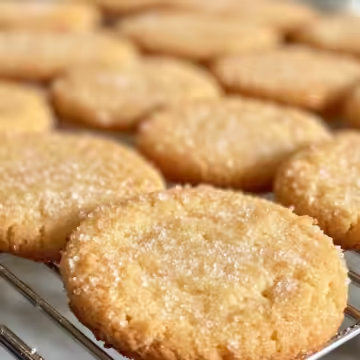
Right outta the cooker and oven, your shortbread is a golden beauty. The edges have that light crisp that gives way to a soft buttery center. You sense that warm vanilla inviting you with each bite.
It’s rich but not heavy, the kind of cookie that melts kinda slow on your tongue, leaving behind a sweet buttery glow. You remember that feeling from childhood when you’d get that perfect shortbread treat.
The sanding sugar on top gives just a little crunch that contrasts with the tender crumb inside. Every bite is a little symphony of textures and flavors, simple but oh so satisfying.
Eating it fresh the way it comes from the pot, you know you nailed something special. It’s a cookie that’s just as great with coffee or a glass of milk before bed.

Smart Storage That Actually Works
If you got leftovers, store your shortbread in an airtight container at room temp. They’ll keep their crumbly tender nature for up to a week. Just don’t forget to enjoy ’em before they lose their charm.
For longer storage, you can freeze the baked cookies. Use a ziplock bag or container with a tight seal. When you wanna eat, let them thaw at room temp for a couple hours. They come back soft and tasty.
Another good trick is to freeze the dough logs wrapped in plastic wrap. That way you don’t have to start from scratch each time. Just slice and bake fresh whenever you want, watching the valve hiss of your cooker as you go.
Common Questions and Real Answers
Q How do I get the broth depth right in the pressure cooker when baking?
A You actually don’t add any broth or liquid inside when baking shortbread in the pressure cooker. The moisture from the dough plus steam inside works together. Just keep the bottom dry or use a rack.
Q What’s the deal with natural release for these cookies?
A Natural release helps stop the sudden pressure drop that can mess with delicate baked goods. It lets the cookies finish gently while the cooker cools. You’ll catch the steam cues and can time it right.
Q Can I adjust sugar types or amounts?
A Sure thing. You can tweak sugars but keep in mind granulated sugar helps the structure, confectioners' sugar adds softness. Too much change might alter the texture.
Q What if my cookies aren’t crispy enough?
A Try baking a little longer or slip ’em right under the broiler a minute or two. Keep an eye so they don’t burn!
Q Why do I need to chill the dough logs?
A Chilling firms up the dough so when you slice it, the rounds don’t lose shape and the cookies bake evenly. Skipping chills can make ’em spread too much.
Q Can I add flavors or mix-ins?
A Yep! A little lemon zest, orange, or almond extract works great. You can also fold in crushed nuts or mini chocolate chips, but keep chunks small so the dough slices easily.
Buttery Vanilla Shortbread in Your Pressure Cooker
Equipment
- 1 Mixing bowl Stand mixer or hand mixer works too
Ingredients
Main ingredients
- 1 cup Unsalted butter at room temperature, 227g
- ⅔ cup Granulated sugar
- ⅓ cup Confectioners’ sugar
- 1 teaspoon Fine salt
- 2 Large egg yolks
- 2 teaspoons Pure vanilla extract
- 2 cups All-purpose flour 284g
- ½ cup Sanding sugar or coarse sugar for sprinkling
Instructions
Instructions
- In the bowl of a stand mixer fitted with a paddle, beat the butter on medium speed until creamy, about 1 minute.
- Add granulated and confectioners' sugar and salt, and beat again on medium speed until light and fluffy, 2 to 3 minutes.
- Scrape down the bowl and add the egg yolks and vanilla, mixing on low speed until incorporated.
- Add flour and mix on low speed until just combined.
- Transfer dough to a workspace and shape into a rectangle. Divide in half and roll each into a log about 2 inches wide and 6-7 inches long.
- Roll logs in sanding sugar to coat all sides. Wrap in plastic wrap and refrigerate until firm, about 2 hours or overnight.
- Preheat oven to 350°F (180°C) and line baking sheets with parchment paper.
- Slice chilled logs into ½ inch rounds and place on baking sheets 2 inches apart. Sprinkle additional sanding sugar if desired.
- Bake one sheet at a time for 14–16 minutes, rotating halfway through, until edges are light golden brown. Cool completely before serving.