You catch the smell through the steam vent and suddenly you are starving. The scent of simmering tomatoes, cream, and garlic makes you feel like dinner's already on your plate. It's that kinda smell that grabs you even before the float valve lets out its soft hiss.

Once you peek inside your pressure cooker, you spot that creamy tomato pasta sauce bubbling gently, thick and rich. You remember the tender pull of noodles soaking up all those deep, comforting broth depths you built with your hands. It's the kinda dinner that makes you wanna drop everything and grab a fork.
When the natural release finishes and you lift the lid, the kitchen fills with a warm, inviting aroma you just can't turn down. The sauce is smooth, with a slight tang from the tomato paste and just enough salt and pepper to keep it real. You feel like you've nailed something special tonight.
What Makes Pressure Cooking Win Every Round
- Fast cooking means you get dinner on the table quicker than you expect.
- Pressure traps steam so flavors like garlic and tomato paste deepen real good.
- The float valve is your best buddy, telling you when pressure's just right to seal in broth depth.
- Natural release helps sauce thicken without overcooking your pasta or cream.
- You don't gotta babysit the stove, freeing your hands for other stuff.
- Easy clean-up since the sauce and pasta can basically finish in one pot.
The Complete Shopping Rundown
- 8 oz dry pasta — whatever you like, penne or spaghetti works great.
- 1 tablespoon olive oil — helps melt that butter and keep things slick.
- 1 tablespoon unsalted butter — brings a nice creamy base right from the start.
- 1 medium shallot — finely diced for that subtle sweet bite.
- 4 garlic cloves — chopped up small to spread that garlicky love.
- 1 tablespoon tomato paste — packs a rich tomato punch that makes the sauce stand out.
- 1 ½ cups tomato sauce or passata — your fresh tomato base.
- 1 cup heavy cream — for smooth, dreamy sauce texture.
Don't forget Pecorino Romano, about a third cup grated, to sprinkle some tangy, salty goodness right into the sauce. Then seasoning with salt and fresh black pepper is your finishing touch to bring it all together. These ingredients hang out well with your pressure cooker, making prep simple and straightforward.
Walking Through Every Single Move
Start by bringing a large pot of salted water to a boil for your pasta. Cook the pasta until al dente, then drain it and set it aside. You wanna keep the noodles firm cause they'll soak up the sauce later.
Next, get your pressure cooker ready with olive oil and butter melted on medium heat. Toss in your finely diced shallot and sauté until it turns soft and translucent; that's about 2-3 minutes. The smell is already something special.
Add chopped garlic and cook it for 30 seconds. Be careful not to burn it; you just want it fragrant. Then stir in the tomato paste and cook for about 1-2 minutes to deepen that flavor and bring out the richness.
Pour in the tomato sauce or passata and stir everything together. Let it simmer for 5-7 minutes, so everything gets cozy and blends perfectly. At this point you can hear that soft hiss from the float valve when you seal the lid, signaling it's time to pressurize.
Turn the heat to low, now stir in the heavy cream and let it simmer another 2-3 minutes until smooth and velvety. Then add your grated Pecorino Romano cheese, stirring until it melts right in. Don't forget to season with salt and freshly ground black pepper to taste.
Finally, toss the cooked pasta in the sauce inside your pressure cooker or skillet until every noodle's coated evenly. Serve it warm and dig in, knowing you nailed a hearty yet creamy tomato sauce that hits all the notes.

Valve Hacks You Need to Know
- If your float valve doesn't pop up right away when you start cooking, give it a little jiggle or check the lid seal so pressure builds properly.
- You can let the natural release happen on its own instead of quick releasing to make the sauce thicker and preserve creaminess.
- When you hear the valve hiss softly, it means pressure is steady enough to keep cooking without overheating the sauce or burning pasta.
- If your sauce looks too thin after pressure cooking, simmer uncovered on low for a couple mins to get that thicker texture.
- Always check the rubber gasket before you start — if it's dry or cracked, pressure might leak and mess with your broth depth.
The Flavor Experience Waiting for You
Picture rich, velvety sauce wrapping each piece of pasta like a warm hug. The cream and Pecorino Romano mix with tomato paste to give you creamy tang with a little zing. You catch the roasted shallots and garlic dancing beneath the surface, adding layers of cozy taste.
When the sauce coats your fork, it's smooth but still full of character. That slight pop from fresh black pepper keeps things lively. It's a flavor that comforts but doesn't overwhelm, so every bite leaves you wanting more.
Eating it feels like a little victory, knowing you pulled off a fast, hearty meal straight from your pressure cooker. The broth depth built up in the sauce shows off the whole process. And heck yeah, it works real good on busy weeknights and lazy weekends alike.

Your Leftover Strategy Guide
First off, store any leftovers in an airtight container in the fridge. It keeps sauce fresh for 3-4 days, and pasta stays tender but not mushy if you give it a gentle toss before storing.
You can also freeze the sauce separately without pasta if you want to keep it longer. Just thaw overnight in the fridge and reheat on low in a skillet or your pressure cooker for best texture.
If you do freeze pasta mixed with sauce, spread it out in a shallow container for faster thawing. When reheating, add a splash of water or broth to bring back some moisture and stir gently.
Another trick is reheating leftovers slowly over low heat to keep cream from separating. Avoid high heat that can cause texture to get grainy. You'll get creamy and cozy meals all over again this way.
The FAQ Section You Actually Need
- Can I use other pasta types? Yep, feel free to swap in what you got on hand. Just watch cooking times cause some shapes cook faster than others.
- What if I don't have Pecorino Romano? Parmesan is a solid substitute that melts similarly and keeps the cheesy flavor vibe.
- How do I prevent sauce from splitting? Low and slow when adding cream. High heat makes it separate real quick so take it easy stirring in the heavy cream.
- Can I skip sautéing shallots and garlic? Sautéing builds flavor depth but if you're in a rush you can toss ’em in raw. Sauce might be less rich but still tasty.
- How much salt should I add? Start small and adjust after sauce simmers. Tomatoes and cheese add saltiness so you wanna be careful not to overdo it.
- Is natural release always better? For creamy sauces like this, natural release helps keep the texture smooth and tender. Quick release might make it a bit thinner or separate cream.
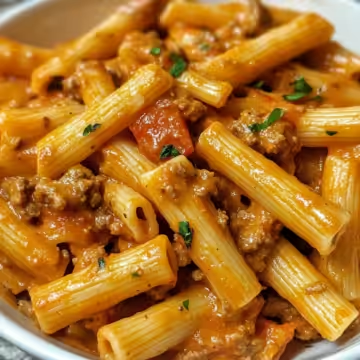
Creamy Tomato Pasta Sauce for Your Pressure Cooker
Equipment
- 1 Mixing bowl Large
Ingredients
Main ingredients
- 8 oz dry pasta penne or spaghetti
- 1 tablespoon olive oil
- 1 tablespoon unsalted butter
- 1 medium shallot finely diced
- 4 cloves garlic chopped up small
- 1 tablespoon tomato paste
- 1 ½ cups tomato sauce or passata
- 1 cup heavy cream
- ⅓ cup Pecorino Romano grated
- Salt and freshly ground black pepper to taste
Instructions
Instructions
- Bring a large pot of salted water to a boil. Cook pasta until al dente, then drain and set aside.
- Heat olive oil and butter in pressure cooker over medium heat.
- Add diced shallot and sauté until soft and translucent, about 2-3 minutes.
- Add chopped garlic and sauté for 30 seconds until fragrant.
- Stir in tomato paste and cook 1-2 minutes to deepen the flavor.
- Add tomato sauce or passata and stir to combine. Let simmer 5-7 minutes.
- Turn heat to low, stir in heavy cream, and simmer 2-3 minutes until smooth.
- Add grated Pecorino Romano and stir until melted in.
- Season with salt and freshly ground black pepper.
- Toss in cooked pasta and stir until well coated. Serve warm.